


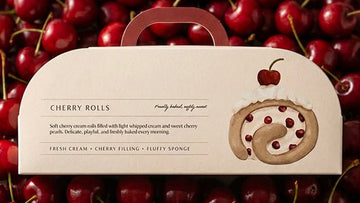
The evolution of fast food packaging tells an interesting story about the rise of Kraft paper. Once primarily associated with wrapping American cheese, Kraft paper spent decades on the sidelines of the packaging industry, mainly reserved for bulk products and secondary food packaging. At the time, smooth, bright white Solid Bleached Sulfate (SBS) paperboard was widely regarded as the premium choice for creating a polished brand image.
Today, the landscape has completely changed.
Walk into almost any fast-food restaurant, and you'll find Kraft paper everywhere—from burger wraps and French fry cartons to takeaway paper bags. What once served mainly bakeries has expanded across the entire quick-service restaurant industry, becoming one of the most widely used materials for fast food paper packaging.
This transformation is no coincidence. It reflects the unique performance of kraft paper itself, the growing demand for sustainable packaging, and the practical business needs of modern food service brands.

Kraft paper derives its name from the kraft pulping process, which produces exceptionally strong paper fibers. During manufacturing, wood chips are cooked at temperatures around 170°C using sodium hydroxide and sodium sulfide. This process preserves the natural strength of the wood fibers, resulting in paper with excellent tensile strength and tear resistance.
Its advantages can be summarized in several key characteristics.
Exceptional Natural Strength
Made primarily from long-fiber virgin wood pulp, kraft paper offers remarkable durability. This strength allows it to perform reliably across various food packaging applications, from takeaway bags to frozen food packaging.
A Distinctive Visual Identity
Its natural brown appearance immediately stands apart from conventional white packaging. The earthy tone is often associated with authenticity, handcrafted quality, and environmentally conscious brands, making it an effective visual asset for modern food businesses.
Balanced Functional Performance
With appropriate coatings or surface treatments, kraft food packaging can provide grease resistance, moisture protection, and food safety while maintaining the recyclability and biodegradability that consumers increasingly expect.

The growing popularity of kraft paper in fast food packaging is driven by a combination of material performance, manufacturing efficiency, branding flexibility, sustainability, and overall cost-effectiveness. Rather than functioning independently, these strengths work together to create a packaging solution that aligns perfectly with today's food service industry.
Durability Designed for Food on the Go
Fast food is built around mobility. Packaging must support the weight of meals while withstanding transportation, handling, and delivery.
Kraft paper's outstanding tensile strength helps prevent takeaway bags from tearing and burger wraps from ripping during use. For frozen convenience foods, it also maintains dimensional stability through freezing and thawing cycles while absorbing less moisture than many bleached paperboards.
Versatility Across Every Fast Food Category
One of the greatest advantages of kraft paper is its adaptability. By adjusting paper weight, coatings, and converting processes, manufacturers can produce packaging suitable for virtually every fast-food application.
For example, grease-resistant kraft paper can safely wrap fried foods, while heavier kraft paperboard delivers the rigidity required for meal boxes and food containers.
Common Kraft paper products used in custom fast food packaging include:
Burger boxes and greaseproof burger wrapping paper that provide direct food contact protection
Fried chicken boxes and takeaway meal boxes require structural strength for heavier food items
Paper cups, cup sleeves, and takeaway paper bags that combine portability with leak resistance
Pizza boxes that benefit from kraft paper's rigidity and shape retention

Printability That Supports Natural Brand Storytelling
Kraft paper was once considered difficult to print because of its textured surface. However, advances in flexographic and gravure printing, as well as specialized inks, have dramatically improved image reproduction.
Uncoated kraft paper naturally has a brown base color and higher ink absorption, meaning full-color graphics may appear less vibrant than on coated white paperboard. However, this characteristic has become an advantage rather than a limitation.
Many brands intentionally embrace minimalist layouts, single-color graphics, or selective color printing to preserve the paper's natural texture while ensuring excellent readability. The result is a distinctive visual identity that communicates sustainability without sacrificing brand recognition.
This balance between refined simplicity and organic authenticity has become a defining aesthetic for many modern food brands.
Production Efficiency for High-Speed Packaging Operations
Fast food packaging demands efficient, high-volume production.
Thanks to its consistent thickness and stable surface properties, kraft paper performs reliably during high-speed folding, forming, and filling processes. Although some uncoated grades may generate dust during die-cutting, modern production lines effectively minimize these issues through optimized vacuum systems and properly selected cutting tools.
The result is dependable manufacturing performance that supports large-scale commercial packaging operations.
Sustainability That Meets Modern Consumer Expectations
As governments continue tightening restrictions on single-use plastics, paper-based packaging has become increasingly important throughout the food service industry.
One of the biggest advantages of sustainable fast food packaging made from kraft paper is its renewable raw materials, combined with excellent recyclability and biodegradability.
For restaurant brands, choosing Kraft paper packaging goes beyond regulatory compliance. It also demonstrates environmental responsibility while responding to growing consumer demand for eco-friendly food packaging solutions.
Overall, the widespread adoption of kraft paper in fast food packaging is the result of an ideal match between material performance and industry requirements. It addresses the core needs of food service businesses by delivering durability, production efficiency, branding flexibility, and environmental responsibility within a single packaging solution.
Among its many applications, kraft paper food boxes are perhaps the most representative. Compared with paper bags or greaseproof wrapping paper, food boxes must support heavier meals such as burger combos and fried chicken while providing greater structural integrity and larger printable surfaces.
Their natural brown appearance, paired with clean and minimalist graphics, creates a distinctive look that feels both authentic and premium—qualities especially valued by brands emphasizing freshness, handcrafted food, and sustainable dining experiences.
The continued growth of custom fast food packaging reflects this broader shift toward packaging that delivers not only functional protection but also meaningful brand communication.
The insights shared in this article are based on publicly available industry information. For more in-depth analysis of food packaging materials, packaging innovation, and emerging market trends, subscribe to our industry updates.
This article is published by the SNFOOD Industry Insights Team.


