


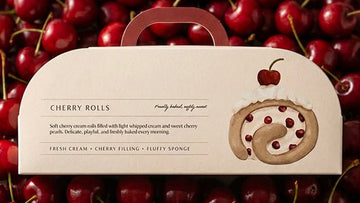
In the bakery industry, the quality of your products is always the foundation of your business. However, when customers make purchasing decisions within just a few seconds, packaging often becomes the key factor that influences their choice.
A unique and well-designed package can not only attract attention but also communicate your bakery’s professionalism, values, and attention to detail. At SNFOOD, we believe great bakery packaging should balance visual appeal, functionality, and brand expression.
From choosing the right materials to creating interactive and personalized experiences, these baked goods packaging ideas can help bakeries differentiate themselves in a competitive market and build stronger connections with customers.

Packaging materials directly affect the condition of baked goods when they reach customers. For products such as bread, cakes, and pastries that are highly sensitive to freshness, packaging needs to provide both reliable protection and proper preservation.
Paper packaging remains one of the most widely used solutions in the bakery industry, but different paper materials serve different purposes.
Kraft paper offers excellent strength and tear resistance, making it suitable for heavier products such as artisan bread, baguettes, and sliced cakes. White cardstock provides a smoother surface for high-quality printing, making it a popular choice for premium bakery boxes, gift packaging, and luxury desserts.
For products requiring stronger grease and moisture resistance, bakery brands can add a food-grade PE coating to the paper surface. This creates an effective barrier against moisture while maintaining the natural texture and appearance of paper packaging.
For baked goods that need to maintain a crispy texture over a longer period, such as cookies, biscuits, and croissants, aluminum foil-lined bags can provide better protection. The foil layer helps block light and oxygen, reducing oxidation and helping preserve freshness.
For high-moisture products such as cakes and cream desserts, packaging solutions with ventilation windows or breathable materials can help reduce moisture buildup and prevent the product surface from becoming sticky.
No matter which material is selected, food contact safety should always be the priority. Using reliable, food-grade materials is essential for protecting both product quality and brand reputation.
Packaging inserts are often overlooked, but they play an important role in improving both product protection and customer experience.
A well-designed insert can prevent baked goods from shifting during transportation while creating a more premium presentation when customers open the package.
Common bakery packaging insert materials include food-grade corrugated paper, EVA foam, and flocked fabric.
Corrugated paper inserts are a practical and cost-effective choice for large-scale bakery packaging. Through precise die-cutting, they can fit different product shapes while providing stable support.
EVA foam inserts offer better cushioning and a more luxurious appearance, making them suitable for premium bakery gift boxes, macarons, chocolates, and delicate desserts.
Flocked fabric inserts provide a soft texture and elegant look, making them ideal for wedding favors, holiday gift sets, and special bakery collections.
When designing custom inserts, bakeries should consider the actual size, shape, and weight of their products. A customized structure helps prevent movement inside the box and creates a more professional presentation.
For brands looking to strengthen recognition, adding embossed logos or brand messages to the insert can create an additional memorable touch during the unboxing experience.
Functionality is important, but visual design is what helps bakery packaging capture attention and create brand recognition.
Creative bakery packaging does not mean adding excessive decoration. Instead, it uses thoughtful design elements to communicate the personality and story behind the brand.
Illustration is one of the most effective approaches in modern bakery packaging design. Hand-drawn elements such as bread, wheat, fruits, and baking tools can highlight freshness, craftsmanship, and a handmade feeling.
Watercolor illustrations work well for brands that focus on natural ingredients and traditional baking methods, while clean and simple flat illustrations are often preferred by younger consumers and perform well on social media.
Color selection also plays an important role in bakery branding.
Warm colors such as cream yellow, caramel brown, and brick red can create a sense of comfort and stimulate appetite. Meanwhile, soft green and muted blue tones can communicate freshness, health, and lighter product concepts.
Maintaining a consistent color system across packaging designs helps customers recognize your brand more easily.
In addition, premium printing techniques such as foil stamping, spot UV, and embossing can add depth and texture to custom bakery boxes. Applying gold foil to logos or adding raised effects to design elements can significantly improve the perceived value of packaging.
QR codes have become more than simple information tools. In modern bakery packaging, they can serve as a bridge between brands and customers.
A QR code can direct customers to product information pages, including ingredient sources, production details, and quality certifications. This helps increase transparency and build consumer trust.
It can also link to recipe ideas, serving suggestions, or pairing recommendations, allowing customers to discover more ways to enjoy bakery products.
For marketing purposes, QR codes can encourage customer engagement through membership programs, discount offers, loyalty points, product feedback, and seasonal campaigns.
For example, bakeries can invite customers to scan the packaging to receive special offers or participate in voting for new product flavors.
The placement of QR codes should be noticeable without disrupting the overall packaging design. Common locations include the side panel or bottom of the package with simple guidance text such as “Scan for more baking inspiration.”
To ensure a smooth experience, QR codes should be large enough for easy scanning, and the linked page should be optimized for mobile devices with fast loading speed.
In a market where many products are mass-produced, small personalized details can create a stronger emotional connection between brands and customers.
A handwritten note is a simple but effective way to show appreciation. A short message such as “Thank you for choosing us. We hope our baked goods bring joy to your day” can leave a lasting impression.
For bakeries handling large order volumes, printed cards using handwritten-style fonts or signature elements can also create a warm and personal feeling.
These messages can be customized based on different occasions, such as holiday greetings, new product launches, or special customer events.
Small gifts are another way to enhance the customer experience. Practical options include:
Small samples of new products
Custom bakery stickers
Branded sealing clips
Discount cards for future purchases
Although these gifts may have a low cost, they can increase brand exposure when customers continue using or keeping them.
However, gifts should be planned carefully to avoid unnecessary costs. Instead of including expensive gifts with every order, bakeries can use them for special occasions such as first purchases, membership events, or seasonal promotions.
Innovative bakery packaging is not only about protecting products; it is also about creating meaningful customer experiences and strengthening brand value.
From selecting suitable materials and designing functional inserts to adding creative visuals, interactive QR codes, and personalized details, every packaging element can influence how customers perceive your bakery.
At SNFOOD, we focus on practical and market-driven bakery packaging solutions that help brands improve product presentation, enhance customer experience, and stand out in a competitive market.
Explore more packaging trends, material innovations, and design inspirations with SNFOOD to discover new ways to build a stronger bakery brand through thoughtful packaging.


