
For bakery brands, the journey from the central kitchen to the customer's hands is always full of challenges. Crisp cookies, beautifully decorated cakes, and delicate French pastries may be undeniably delicious, but they all share one common weakness: they are fragile. Even a small amount of pressure or impact can ruin the carefully created appearance.
This is where packaging becomes more than just a container. It becomes the product's first line of defense.
Many people assume that “rigid” packaging simply means stronger packaging. In reality, the world of rigid pastry box packaging is much more diverse. Different types of rigid boxes have their own structural logic, protection priorities, and ideal applications. Choose the right one, and the packaging becomes an added value for the product. Choose the wrong one, and it can create unnecessary costs and product losses.
Today, let's take a closer look at several representative types of rigid pastry boxes and what problems they can actually solve in real-world applications.


If there is one type of rigid packaging that combines a sense of occasion with reliable protection, the book-style rigid box is a strong choice. Inspired by hardcover books, this type of packaging typically uses high-strength greyboard as its structural core, which is then wrapped with specialty paper or finished with high-quality printing.
In the bakery industry, book-style rigid boxes are commonly used for premium gift sets, seasonal collections, and bakery gifts that need to communicate a distinctive brand identity. The hinged opening structure makes the product easy to access while creating the feeling of opening something carefully preserved and special.
From a protection standpoint, the thick box walls can effectively resist stacking pressure. The interior is also often fitted with EVA, sponge, or die-cut paperboard inserts to keep the product securely in place and reduce damage caused by movement during transportation.
For higher-priced bakery products, the premium look and feel of this type of pastry box packaging can also reinforce the perceived value of the product, helping customers feel that the packaging and product are worth the price.

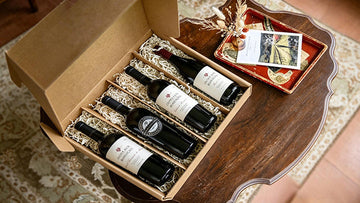
The unique sliding structure of drawer-style rigid boxes, also known as sleeve-and-tray boxes, gives them a distinctive opening experience compared with traditional hinged boxes. As the inner tray is slowly pulled out of the outer sleeve, the baked goods are revealed almost like a display piece. This interactive experience makes the format particularly suitable for premium bakery gifts and presentation-focused products.
From a practical perspective, drawer-style boxes are typically constructed from double layers of thick paperboard, while the close fit between the outer sleeve and inner tray improves overall structural stability and compression resistance.
For long-shaped bakery products, such as pound cakes and cookie gift sets, this structure can provide relatively even support. Because the outer sleeve surrounds the inner box, it can also offer better protection against dust and moisture from the external environment.
However, when selecting this type of custom pastry box, particular attention should be paid to the smoothness of the sliding mechanism. If the fit is too tight, the opening experience can become frustrating. If it is too loose, the box may lose part of its protective function. Achieving the right balance requires a relatively high level of manufacturing precision.

Among different types of rigid packaging, folding rigid boxes are sometimes underestimated. They may not feel as substantial as the first two options, but through specialized die-cutting and creasing processes, folding lines can be precisely created on flat paperboard. Once formed, the finished box can still achieve considerable rigidity and structural stability.
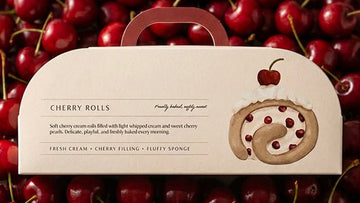
Many handled cake boxes and display boxes available on the market fall into this category.
Their biggest advantages are logistics efficiency and cost control. Before assembly, the boxes can be shipped and stored completely flat, potentially saving more than 80% of storage space while significantly reducing transportation costs.
Once assembled, their corrugated or thick paperboard structure can provide good cushioning and support. For bakery brands that need to balance in-store retail and takeaway delivery, folding pastry boxes can be an effective solution for finding the right balance between protection and cost efficiency.
Many brands also choose to add carry handles or transparent windows to this type of bakery packaging. The handle makes the box easier to carry, while the window allows customers to see the appealing appearance of the baked product without opening the package.

When standard box shapes cannot meet the requirements of a product or a brand's visual storytelling, custom-shaped rigid pastry boxes come into play. This is not simply about changing the dimensions of a conventional box. It means creating a distinctive structure or silhouette specifically for the product or brand.
For example, an irregular-shaped box can be designed for specially shaped iced cookies, or a unique outline can be developed to highlight a brand's signature character or IP.
These boxes are commonly produced using a paper-wrapping and mounting process, in which a beautifully printed outer paper is laminated onto a high-strength board structure. This makes it possible to create more complex shapes while maintaining structural stability and reducing the risk of deformation.
The greatest value of this type of custom pastry box packaging lies in its ability to create differentiation. Whether displayed on a retail shelf or photographed for social media, an unusual box shape can immediately attract attention and give the brand a stronger visual identity.
However, custom-shaped rigid boxes generally require higher development costs and longer production lead times. They are therefore more suitable for limited-edition products or hero products that justify the additional investment.
Even when the outer structure is highly customized, the internal protective insert design should not be overlooked. Materials such as molded paper pulp trays or EPE foam can still play an important role in keeping delicate bakery products secure during transportation.
Choosing the right rigid packaging is ultimately a matter of balancing logistics risk, brand positioning, and cost expectations. Whether a brand is looking for the premium presentation of a book-style box or the practical efficiency of a folding box, each structure serves a different purpose in helping bakery products arrive safely and in good condition.
For bakery brands, the right pastry box packaging should not only protect delicate products. It should also fit the way the products are transported, displayed, carried, and experienced by customers. The best packaging solution is therefore not necessarily the hardest or most expensive one, but the one that matches the product, sales channel, and brand positioning.
At SNFOOD, we continue to focus on food packaging materials, structural design, and the latest developments in the packaging industry. If you want to protect your bakery products while using packaging to strengthen your brand, subscribe to our content for more practical insights and in-depth analysis from the packaging industry.


