
Wine is never just what’s inside the bottle. From vineyard terroir to the craftsmanship of the winemaker, from subtle fermentation changes to aging potential after bottling—every step tells a story.
The wine label is the first chapter of that story presented to the consumer.
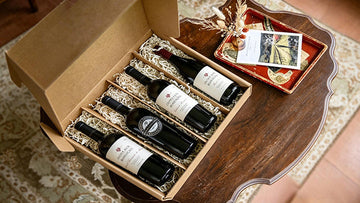
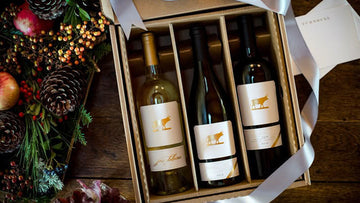
Within a customized wine box packaging solution, the label is often the very first element that captures attention. It carries multiple roles: identification, communication, persuasion, and even collectibility.
Whether you are a boutique winery producing a few thousand bottles annually or a global wine brand with an extensive distribution network, the right wine label strategy directly impacts shelf performance, perceived quality, and ultimately, conversion rates.

At its most basic level, a wine label identifies the product—but its role goes far beyond that.
In retail environments, consumers often make decisions within seconds. During that brief moment, visual elements such as typography, color, imagery, and material communicate signals about the wine’s style, origin, price positioning, and brand identity.
A well-designed label reduces purchasing risk. When consumers know nothing about a wine, they instinctively trust labels that appear refined, professional, and aligned with the product’s positioning.
Conversely, poor print quality, low-grade materials, or inconsistent design can immediately trigger doubts about the wine itself.
Wine labels are also critical for building trust. Mandatory information—such as appellation, vintage, alcohol content, volume, and producer details—must be presented accurately. For premium wines, classification marks, awards, or winemaker signatures act as quality endorsements.
For export markets, compliance becomes even more complex. Labels must meet local regulations, including allergen declarations, health warnings, and importer information. Any error or omission can lead to product recalls, delisting, or reputational damage.
Beyond functionality, wine labels play a key role in gifting and customized packaging scenarios. Labels designed for weddings, corporate events, or seasonal promotions add emotional value and memorability.
When aligned with the overall custom wine packaging design, labels and boxes together elevate the unboxing experience and strengthen brand recognition.
End-to-End Printed Labels
End-to-end label production means a single supplier manages the entire process—from design input to finished labels.
This approach ensures full process control and clear accountability. Wineries simply provide approved artwork, while the supplier handles material selection, plate making, printing, die-cutting, quality control, and delivery.
For large-volume product lines, this ensures consistency across batches and stable quality. It also reduces coordination issues between multiple vendors.
For anti-counterfeiting needs, integrated technologies such as microtext, UV inks, or variable data codes can be embedded during production—requiring full-process control for effectiveness.
Customizable Pre-Printed Labels
Pre-printed labels involve printing fixed design elements in bulk, while leaving space for variable data such as vintage, varietal, batch number, or client-specific details.
This solution is ideal for multi-SKU, small-batch production. For example, wineries producing single-vineyard wines can maintain a consistent visual identity while customizing key information.
It reduces inventory risk and avoids waste from design updates.
For personalized orders—such as corporate gifts, wedding wines, or restaurant-exclusive labels—this approach enables low minimum order quantities and fast turnaround without requiring new printing plates.
Blank and Die-Cut Labels
Blank labels are unprinted materials ready for in-house or third-party printing.
Die-cut labels are pre-shaped into specific formats—round, oval, rectangular, or custom shapes—for immediate application.
These options offer maximum flexibility and low entry barriers.
They are ideal for startups, experimental batches, or rapidly changing designs. Combined with desktop printers, wineries can produce labels internally with minimal investment.
Die-cutting ensures professional edge quality, eliminating the need for manual trimming.
Hybrid Label Solutions
Hybrid solutions combine traditional printing and digital printing technologies.
Core elements—such as logos, brand names, background patterns, and legal text—are produced using traditional printing for cost efficiency and high quality.
Variable elements—such as vintages, batch codes, or limited-edition markings—are added via digital printing.
This approach balances scalability and customization, making it ideal for mid-to-large wineries managing multiple product lines.
It also allows integration of premium finishing techniques—such as foil stamping, embossing, and spot UV—while maintaining flexibility.

100% After-Sales Guarantee
Wine labels may encounter issues such as edge lifting, bubbling, detachment, or deformation due to temperature and humidity changes.
A 100% after-sales guarantee ensures the supplier takes full responsibility. In case of quality issues, reprints, expedited production, and even compensation for losses are handled directly.
Strict quality control includes adhesion testing, aging simulation, and environmental resistance tests—ensuring reliability across storage and transportation conditions.
Multiple Printing Technologies
Different wine products require different printing solutions:
Wet glue labels for traditional, premium aesthetics
Pressure-sensitive labels for versatility across all segments
Shrink sleeves for tamper evidence and full coverage
In-mold labels for PET bottles
Printing methods include offset, flexography, gravure, screen printing, and digital printing—each suited to specific needs in cost, quality, and volume.
SNFOOD provides tailored recommendations based on design, quantity, and budget—supported by sampling for validation.
On-Time Delivery
Wine production operates on strict timelines—new releases, seasonal promotions, and export schedules.
Late label delivery can halt bottling lines or delay market entry.
SNFOOD ensures precise scheduling, from material sourcing to final delivery, with detailed timelines and flexible capacity for urgent orders.
Professional Consultation
Early-stage consultation prevents costly mistakes.
SNFOOD works with wineries and designers before finalizing artwork to identify potential risks—such as fine line loss, ink coverage issues, or unsuitable materials for specific environments.
Supply chain planning is also addressed, including inventory strategies and multi-market compliance.

Material selection directly impacts appearance, texture, durability, and application performance.
Paper-based materials remain widely used:
Coated paper offers vibrant color but limited water resistance
Matte paper delivers a premium, elegant feel
Textured paper adds artisanal character but requires careful print handling
Film materials are increasingly popular:
PP (polypropylene) provides excellent moisture resistance
PET offers high transparency for “no-label look” designs
Composite materials combine advantages:
Laminated paper improves durability
Coated paper enhances functionality while maintaining natural texture
Adhesive selection is equally critical:
Permanent adhesives for standard use
Removable adhesives for temporary applications
Low-temperature adhesives for cold environments
Printing methods significantly affect cost and quality:
Offset printing: high precision, ideal for large volumes
Flexography: fast and versatile, especially for films
Gravure: superior quality for ultra-large runs
Digital printing: flexible, ideal for small batches and variable data
Color management includes CMYK printing, spot colors for brand accuracy, and foil stamping for metallic effects.
Finishing processes include:
UV coating for gloss and durability
Matte varnish for understated elegance
Die-cutting precision within ±0.3 mm for accurate application

Minimalism remains dominant in premium segments, emphasizing clean layouts, neutral tones, and refined typography.
Illustration-based designs are gaining popularity among boutique brands, adding storytelling and personality.
Sustainability is now a core focus, with eco-friendly materials, reduced label sizes, and optimized designs lowering environmental impact.
Tactile elements—such as embossing, textured papers, and spot UV—enhance physical interaction and shelf appeal.
Digital integration is expanding, with QR codes and NFC enabling traceability, storytelling, and consumer engagement.
From material selection to printing techniques, from design trends to after-sales support, every aspect of wine labeling influences market performance.
Under the framework of customized wine box packaging, SNFOOD provides end-to-end wine label solutions tailored to different product lines, budgets, and timelines.
With a strong foundation in quality assurance, reliable delivery, and professional consultation, wineries can focus on winemaking and brand growth—without worrying about packaging execution.
If you are developing new wines, optimizing existing labels, or seeking cost-efficient solutions, SNFOOD’s expert team is ready to support you at every stage—from design review to final delivery.


