
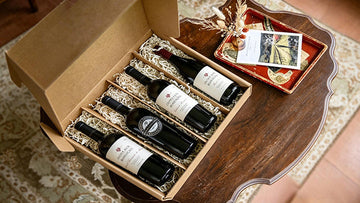
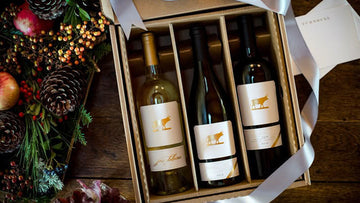
Wine is more than just a beverage—it tells a story, delivers an experience, and often represents a form of art. At the heart of this experience lies wine bottle packaging. From boutique wineries producing limited vintages to large-scale producers distributing globally, the right wine packaging boxes do far more than protect bottles during transportation. They shape consumer perception, build brand trust, and enhance shelf appeal.
The following ten printing techniques are proven, market-ready solutions. Each offers clear cost boundaries and ideal application scenarios, helping brands select the most suitable custom wine bottle packaging strategy.
Looking to add depth and tactile sophistication to your packaging? Embossing and debossing are among the most effective techniques. These processes use physical pressure to create raised (embossed) or recessed (debossed) textures on paper or paperboard without relying on ink. The visual effect is achieved purely through light and shadow.
In practice, winery names, vintage years, or vineyard illustrations are ideal for embossing, while debossing is well-suited for fine lines or intricate crests. Materials should be at least 200 gsm to maintain structural integrity and prevent cracking.
Advantages:
Long-lasting and resistant to wear
No risk of ink fading
Conveys craftsmanship and premium quality
Reusable molds help control long-term costs
This technique is particularly effective for limited editions or heritage-inspired wines seeking a refined and artisanal appearance.

Spot UV coating is one of the most recommended finishing methods. It involves applying a UV-cured varnish to selected areas of the packaging, creating a high-gloss effect that contrasts with a matte background.
Common applications include winery logos, grape varieties, or key visual elements. The glossy finish captures light instantly, drawing consumer attention on retail shelves. Additionally, the UV layer enhances abrasion resistance, protecting essential printed information during handling and transportation.
Key Considerations:
Moderate tooling and setup costs
Ideal for small to medium production runs
Requires corona treatment on laminated surfaces to ensure proper adhesion
For wineries seeking a cost-effective way to elevate wine label printing, spot UV offers exceptional value.
Reverse UV is an advanced variation of spot UV. Instead of highlighting selected areas, the entire surface is first coated with UV varnish, and specific regions are then masked to remain matte. This creates a sophisticated contrast with smoother transitions between glossy and non-glossy areas.
This technique is especially effective on dark-colored packaging, such as black or deep red paperboard, where matte elements remain legible without glare.
Best Suited For:
Premium or limited-edition wine packaging
Medium to large production volumes (recommended above 5,000 units)
Brands seeking a modern and layered visual effect
Due to higher setup requirements and slightly increased waste rates, reverse UV is typically reserved for premium wine packaging solutions.

A satin or soft-gloss finish provides a subtle sheen that sits between high-gloss UV and completely matte surfaces. By carefully controlling the proportion and particle size of matting agents in the coating, this technique produces a refined, understated reflection.
Benefits:
Resistant to fingerprints and scratches
Elegant and restrained visual appeal
Suitable for wines emphasizing terroir or organic production
Lower cost compared to spot or reverse UV
This finish is highly practical for wines frequently handled in retail environments, making it an excellent option for everyday premium offerings.
Lamination involves applying a transparent plastic film—such as BOPP or PET—over the printed surface using thermal or cold processes. It serves as a protective layer while enhancing visual appeal.
Gloss Lamination: Intensifies color saturation and contrast.
Matte Lamination: Provides a soft, sophisticated texture with reduced glare.
Key Advantages:
Improved resistance to moisture, oil, and tearing
Essential for humid or cold-chain logistics
Cost-effective and suitable for mass production
For environmentally conscious brands, biodegradable films or water-based lamination are recommended to maintain sustainability certifications such as FSC or GRS.

Hot foil stamping transfers a metallic layer from foil onto the packaging using heat and pressure. Popular finishes include gold, silver, rose gold, and various metallic hues.
In custom wine bottle packaging, foil stamping is typically used to emphasize brand identifiers such as logos, crests, and typography. The metallic sheen provides a visual impact that standard inks cannot achieve.
Considerations:
Requires smooth paper surfaces for optimal adhesion
Moderate tooling costs, decreasing with larger volumes
Ideal for wineries producing over 30,000 bottles annually
This technique significantly enhances brand recognition and perceived value.
Digital or laser foil stamping represents the evolution of traditional foil stamping. Instead of using metal dies, a high-precision laser transfers the metallic foil directly onto the substrate.
Advantages:
No tooling or mold costs
Perfect for short runs and multiple design variations
Capable of ultra-fine details (below 0.1 mm)
Faster prototyping, reducing sampling time to 1–2 days
However, its production speed is slower than conventional methods, making traditional foil stamping more economical for large-scale orders exceeding 20,000 units. For seasonal or collaborative releases, digital foil stamping provides unmatched flexibility.

Die cutting shapes printed materials into custom forms using steel dies or laser cutting. Applications in wine packaging boxes include windowed cartons, uniquely shaped labels, and decorative hang tags.
Functional and Aesthetic Benefits:
Window openings allow consumers to view the bottle directly
Distinctive shapes enhance shelf differentiation
Breaks the conventional rectangular packaging norm
While traditional steel dies are cost-effective for orders above 5,000 units, laser die cutting is ideal for prototyping and very short production runs.
Screen printing applies ink through a mesh stencil onto the substrate, producing an ink layer significantly thicker than offset printing. This enables unique tactile and visual effects.
Applications:
Specialty inks such as frosted, puff, glow-in-the-dark, or scented finishes
Direct printing on glass bottles, wooden boxes, or metal accessories
Raised textures that enhance sensory engagement
Although each color requires a separate screen, making multi-color designs less efficient, screen printing is excellent for accent elements within premium wine packaging.

Pantone spot color printing uses pre-mixed inks to achieve precise and consistent color reproduction beyond the standard CMYK process. This is essential for maintaining brand identity across different production batches.
Benefits:
Exceptional color accuracy and consistency
Ideal for brand logos and signature hues
Eliminates visible color variations between print runs
A common industry practice is to combine Pantone spot colors for primary brand elements with CMYK printing for images, balancing cost and visual performance. When more than three spot colors are used, additional ink preparation costs should be considered.
For over two decades, SNFOOD has specialized in delivering custom wine bottle packaging that blends traditional craftsmanship with innovative design. From bold contemporary aesthetics to classic vineyard-inspired styles, SNFOOD provides premium wine packaging solutions tailored to the demands of a competitive global market.
Whether you are a boutique winery or a large-scale distributor, SNFOOD offers the manufacturing capabilities, professional expertise, and reliability needed to make your bottles stand out on the shelf. Contact us today to explore the ideal wine bottle packaging solution for your brand, and let us create labels and packaging that reflect the quality of every bottle you produce.


