


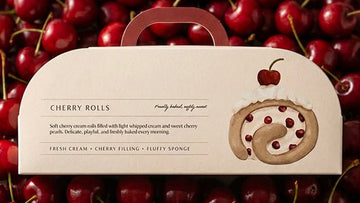
In the fast food industry, packaging is no longer just a simple container for holding food. It plays multiple critical roles, including preserving freshness, enhancing customer convenience, and strengthening brand identity. Well-designed fast food packaging or burger boxes not only present food in an appealing way but also communicate brand values silently yet effectively.
As market competition intensifies, building and maintaining a strong brand has become essential. High-quality custom packaging not only promotes business growth but also ensures food safety from a physical standpoint. This article explores the definition, importance, and core advantages of fast food packaging and examines how precise brand positioning can help businesses achieve sustainable growth.

1. Preserving Freshness
One of the key competitive advantages of fast food is the “ready-to-eat” experience, and packaging directly determines how well food quality is maintained from preparation to consumption. High-quality materials effectively block moisture and oxygen, preventing fried chicken and French fries from becoming soggy while maintaining the softness of burger buns and the warmth of patties.
For salads and cold beverages, packaging must also provide excellent sealing and insulation. Ensuring customers experience food as “freshly prepared” significantly increases repurchase rates. In practice, many negative reviews stem from poor packaging, such as leakage, soggy textures, or flavor contamination between hot and cold items. Therefore, freshness preservation should be the primary benchmark for any fast food brand.
2. Enhancing Brand Image
Packaging is one of the most direct physical touchpoints between customers and a brand. The texture, color, graphics, and structural design subtly influence customers’ perceptions. Rough, low-quality, or poorly printed packaging can lead consumers to question food hygiene and taste, while clean, professional, and aesthetically pleasing packaging conveys attention to detail and quality.
In the era of social media, packaging often becomes a shareable visual element. A distinctive burger box or creatively designed fries bag can generate free online exposure. Investing in packaging design is, therefore, not a luxury but a necessity for effective brand building and recognition.
3. Improving Convenience
The essence of fast food is speed, and packaging must support this core value. Convenience is reflected in various aspects: single-hand grip cups, easy-tear seals, heat-resistant corrugated sleeves, upright burger boxes that prevent sauce leakage, and stackable containers for efficient takeaway and delivery.
For food delivery scenarios, packaging must ensure transportation stability through reinforced bases, compartmentalized containers, and leak-proof seals. Intuitive opening and closing mechanisms make it easy for customers to use the packaging. Thoughtful convenience design reduces dining friction, enhances customer satisfaction, and positively influences future purchasing decisions.
4. Eco-Friendly Options
With increasing environmental awareness, sustainable packaging materials have become a significant factor in purchasing decisions. Offering eco-friendly fast food packaging—such as biodegradable, compostable, or recyclable materials—reduces environmental impact while building value-based connections with consumers.
However, sustainability involves more than simply replacing materials. It requires balancing cost, durability, and environmental certifications. Materials like bagasse (sugarcane fiber), bamboo pulp, and PLA (polylactic acid) decompose relatively quickly under natural conditions while meeting food-grade safety standards. Clearly labeling packaging with “eco-friendly” or “recyclable” symbols further reassures environmentally conscious customers and expands the potential customer base.

5. Customization Transformation
While standardized packaging offers cost efficiency, customization is key to standing out in a competitive market. Custom fast food packaging should reflect product characteristics, brand personality, and target audiences.
For example, brands focusing on children’s meals can incorporate interactive elements such as foldable toys or puzzles, while premium business meal brands may adopt matte finishes with minimalist foil stamping. Customization also includes structural innovation, such as anti-slip grip areas for fried chicken burgers or integrated sauce compartments. Through customization, packaging evolves from a “generic container” into a brand-exclusive communication medium, turning every meal into a branding opportunity.
Driven by stricter environmental regulations and shifting consumer preferences, sustainability has transitioned from a “value-added feature” to a business necessity. Fast food companies can adopt several strategies:
1. Reduce unnecessary packaging layers to avoid over-packaging.
2. Use mono-materials (e.g., molded pulp) to facilitate recycling.
3. Introduce plant-based coatings as alternatives to traditional PE linings.
4. Collaborate with recycling organizations to establish closed-loop systems.
5. Implement reusable packaging solutions, such as deposit-based insulated bags for loyal customers.
Importantly, sustainability does not mean sacrificing user experience. Many eco-friendly materials now match or even exceed traditional plastics in insulation and rigidity. Implementing sustainable solutions demonstrates corporate social responsibility while creating a powerful competitive differentiator.

Innovation in fast food packaging solutions is accelerating across materials, structures, and functionalities.
1. Material Innovations: Nanocoating technologies provide water and oil resistance while maintaining recyclability. Edible packaging made from rice paper or seaweed films is also emerging.
2. Structural Innovations: Modular designs allow a single box to transform into multiple compartments for main dishes, sides, and sauces, reducing waste from multiple containers.
3. Functional Innovations: Smart packaging is entering commercial use. Examples include temperature-sensitive inks that indicate when reheating is recommended and QR codes that provide food traceability information or enable customer loyalty programs.
These innovations are not distant concepts but practical solutions already being tested by leading fast food chains. Keeping pace with these trends enhances customer experience and injects a sense of technological sophistication into the brand.
Selecting the right fast food packaging manufacturer is crucial, as it directly affects product quality, consistency, and long-term operational costs. Consider the following five key factors:
1. High-Quality Materials
Packaging must provide physical protection and meet food-grade safety standards. Suppliers should offer certification reports verifying that materials are non-toxic, odorless, and resistant to heat and grease. Compromising on quality to reduce costs can lead to severe reputational damage.
2. Flexible Design Capabilities
Suppliers should support the entire development process—from concept sketches and structural drawings to physical prototypes. Capabilities such as low minimum order quantities (MOQs), rapid sampling, and custom mold development are essential for achieving true customization.
3. Environmental Responsibility
Evaluate whether suppliers hold certifications such as FSC (Forest Stewardship Council), provide compostable product lines, and maintain compliant waste treatment processes. Environmentally responsible suppliers often offer transparency regarding material sourcing and carbon footprint data.
4. Value-Based Pricing
Value pricing balances material quality, printing precision, delivery timelines, and unit costs. Request detailed quotations that include material, plate, mold, and shipping fees. Long-term partnerships and bulk orders typically provide opportunities for cost optimization.
5. New Customer Discounts
Many suppliers offer first-order discounts or free sampling services, reducing the trial-and-error costs for brands launching customized packaging. While beneficial, such incentives should complement—rather than replace—the core evaluation criteria mentioned above.

1. Expanding into New Market Segments
Custom packaging helps brands successfully launch new product lines, such as breakfast meals, children’s menus, or late-night offerings. Packaging designed for specific scenarios—like microwaveable lunch boxes for office workers or portable self-heating burger containers for outdoor activities—signals targeted value propositions and lowers the barrier to trial.
2. Increasing Brand Awareness
Every piece of branded packaging acts as a mobile advertisement. When customers carry bags featuring distinctive logos and visual elements, they naturally attract attention. Compared to costly online advertising, packaging provides zero marginal exposure cost. Memorable designs can even be retained by customers, extending brand visibility over time.
3. Encouraging Customer Loyalty
Customer satisfaction stems from both product quality and the overall experience. Thoughtful packaging details—such as easy-tear openings, separate sauce compartments, and included accessories—create a sense of care. Printing membership QR codes or promotional offers on packaging further incentivizes repeat purchases, strengthening long-term customer relationships.
4. Standing Out from Competitors
In the fast food industry, taste and pricing are easily replicated by competitors. However, a deeply integrated custom packaging system is far more difficult to imitate. Packaging that communicates sustainability, aesthetic value, and attention to detail builds a cultural moat around the brand. Customers may choose a brand not only for its food but also because it “feels more thoughtful.”

Fast food packaging has evolved far beyond its original role as a simple container. It now functions simultaneously as a freshness protector, brand communicator, convenience enhancer, and environmental statement. From preserving food quality and enhancing brand image to improving usability and embracing sustainability, every aspect of packaging can influence consumer purchasing decisions.
Customization, sustainable solutions, and ongoing innovations in materials and structure provide fast food companies with opportunities for continuous improvement. When selecting a supplier, carefully evaluating material quality, design flexibility, environmental responsibility, value pricing, and new customer incentives ensures a packaging system that supports both food safety and business growth.
Ultimately, a well-planned custom fast food packaging solution enables brands to expand into new markets, increase brand awareness, enhance customer loyalty, and effectively respond to competitive challenges. For businesses seeking long-term advantages in the fast food sector, packaging is not a minor detail—it is a strategic investment.
SNFOOD, as a professional fast food packaging supplier, offers comprehensive support from material selection to structural design, helping brands transform these concepts into scalable and cost-effective packaging solutions.


