
In today’s highly competitive wine market, packaging is no longer merely a protective container. It has evolved into a silent salesperson—often the final and most influential touchpoint before a consumer makes a purchasing decision. A common challenge many brands face is that standard, non-custom packaging may fulfill basic protection requirements, yet it rarely stands out on the shelf or communicates a brand’s unique value and story.
Without investing in product presentation, how can a wine truly compete among countless alternatives? Design plays a decisive role in wine packaging. Whether the goal is minimalist modernity, bold color contrast, or timeless elegance, successful packaging requires a clear strategy supported by professional design expertise.
When executed effectively, custom wine packaging becomes a powerful market advantage—guiding consumers’ hands toward your bottle instead of a competing one. First impressions are shaped through sight and touch, and professional customization is the foundation of that experience. This guide provides a comprehensive 2026 roadmap for custom wine packaging, helping brands move systematically from concept to execution while transforming challenges into tangible market opportunities.

Custom wine packaging is far more than a visual enhancement—it is a strategic investment. Through carefully selected materials, structures, and visual design, packaging directly builds perceived value and communicates quality, craftsmanship, and brand positioning before the wine is ever tasted.
Packaging marks the beginning of the consumer experience. It strongly influences whether customers perceive a wine as worth its price. Well-executed custom wine packaging enhances the unboxing experience, strengthens brand recall, and encourages social sharing, enabling organic secondary exposure across digital channels.
Every successful packaging project begins with clear objectives. Several key questions must be addressed at the outset: Who is your target audience? What are their aesthetic preferences and values? What brand personality should the packaging convey—heritage, innovation, or artistic expression?
It is equally important to consider the primary usage scenario: premium gifting, everyday dining, or celebratory occasions such as weddings. The clearer these requirements are, the more accurately the final packaging will align with market expectations. Precision at this stage directly influences the effectiveness of all subsequent design decisions.

Packaging investment should align with product positioning and retail price. This fundamental business principle is especially relevant in custom wine packaging: the higher the product value, the greater the role packaging plays in delivering perceived worth.
Packaging costs should be planned as an integral part of the product, encompassing design, materials, production processes, printing, and prototyping. A realistic yet forward-looking budget ensures premium results without forcing quality compromises later in the development process.
Understanding the competitive landscape is essential. Analyze competitors’ packaging materials, box structures, color systems, graphic elements, and finishing techniques. The objective is not imitation, but insight.
Identify common practices, weaknesses, and unmet opportunities in the market. Ask critical questions: Where do competitors’ solutions fall short? How do consumers respond to their packaging? Where can meaningful differentiation be achieved? This analysis helps define a strategic entry point that allows your brand to stand apart.

This stage transforms strategy into a visual expression. Collaborate with a professional design team to translate brand positioning, target audience insights, and differentiation goals into a cohesive visual language.
Design should encompass all components—labels, outer boxes, and internal structures—ensuring consistency and harmony throughout. Information hierarchy is critical: brand name, grape variety, and vintage should be immediately legible, while secondary details support the broader narrative. Exceptional design captures attention instantly while remaining compelling upon closer inspection.
Technological advancements continue to expand the possibilities of custom wine packaging. By 2026, sustainable materials such as recycled paper pulp and biodegradable plastics have become industry standards rather than marketing novelties.
Smart features, such as AR-enabled labels, allow consumers to scan packaging and access brand stories, vineyard insights, or food-pairing suggestions. Innovative opening mechanisms, tactile finishes such as soft-touch or velvet laminations, and advanced anti-counterfeiting technologies further enhance the user experience and brand credibility. When applied thoughtfully, these innovations significantly elevate modern appeal.
For mid- to high-end products, a comprehensive packaging solution extends value well beyond a single bottle.
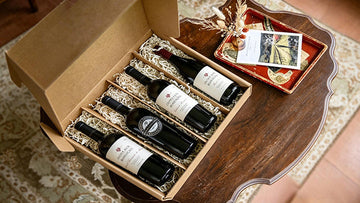
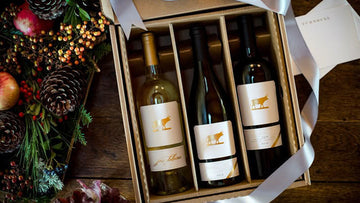
Gift Boxes: Designed for single or multiple bottles, gift boxes are essential for premium and gifting markets, emphasizing ceremony and exclusivity.
Wine Carry Bags / Totes: These provide convenience while maximizing brand visibility. A well-designed, durable bag functions as a mobile brand touchpoint.
Fully Customized Wine Packaging: Tailored from internal support structures to external finishes, this option is ideal for flagship products or limited editions, delivering a collector-level experience.
Retail Display Units: For offline channels, customized display stands help establish strong brand presence at the point of sale, guiding purchasing behavior and reinforcing brand recognition.

Printing methods significantly influence both quality and cost efficiency.
Offset Printing: Ideal for large-volume production, offering superior color accuracy and image quality. It remains a standard choice for high-end wine packaging.
High-Speed Digital Printing: Well-suited for small batches and customization. With no plate setup required, it supports variable data printing, such as serial numbering, and enables faster market entry.
Flexographic Printing: Commonly used for specialty materials or flexible packaging, offering environmental advantages and cost efficiency for large-scale production runs.
Before mass production, physical prototyping is indispensable. A prototype allows real-world evaluation of tactile feel, structural integrity, opening experience, and overall visual impact.
Examine every detail carefully—die-cut precision, assembly accuracy, and finishing placement. Prototyping helps identify issues that may not be apparent in digital files, preventing costly errors and ensuring that every finished package delivered to consumers meets the highest standards.
Custom wine packaging is a journey that transforms brand identity into a tangible experience. It requires strategic thinking, professional design, and disciplined execution. In the experience-driven market of 2026, investing in custom wine packaging is an investment in the first meaningful dialogue between your brand and its consumers.
By following this structured approach, brands can convert packaging challenges into powerful opportunities for brand elevation and sales growth—ensuring their products receive the attention and value recognition they deserve. With extensive experience in custom wine packaging, SNFOOD supports brands seeking clarity, consistency, and competitive advantage in an evolving global market.


