


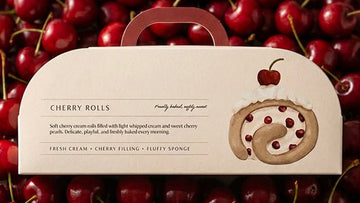
We see this frequently: simple, non-custom wine packaging that technically serves its purpose—but lacks impact. If you do not invest in product presentation, how can you expect to achieve your sales goals?
Your wine may be exceptional, yet overlooking packaging means missing a critical opportunity. Custom wine packaging is one of the most effective ways to capture attention—both on retail shelves and in online marketplaces. Many brands underestimate their importance. At SNFOOD, we transform packaging into a strategic asset for modern wineries.
Today, packaging is no longer merely functional. It is a creative platform that enables your wine to stand out in a competitive market. As consumers increasingly value sustainability, innovation, and strong brand identity, packaging must shift from an afterthought to a core component of product strategy.

Before developing your design, clarify your operational requirements by asking:
Different channels require distinct packaging strategies.
For e-commerce distribution, durability and lightweight protective structures are essential. Shock absorption, compression resistance, and reduced shipping weight directly affect both costs and customer satisfaction.
For retail display, visual impact and shelf differentiation are critical. Your bottle must capture attention within seconds.
The answers to these questions will determine your material selection, structural design, and finishing techniques.
Budget planning is often overlooked in winery packaging development. Higher costs do not automatically translate into better performance. The objective is to achieve the optimal balance between investment and return.
Conduct a thorough competitive analysis. Visit retail stores or explore online marketplaces to evaluate wines within similar price ranges.
Consider the following:
The goal is not imitation, but differentiation. Your custom wine packaging should stand out through material choice, craftsmanship, sustainability, or storytelling.

Modern wine packaging design extends far beyond the label. It now emphasizes a comprehensive sensory experience.
Bottle Innovation
While traditional glass bottles remain standard, sculpting techniques allow structured surface details to be added without altering production-line specifications.
These subtle textures enhance both tactile and visual appeal. Under lighting, sculpted surfaces create distinctive reflections that strengthen brand identity and elevate perceived quality.
Label as a Storytelling Medium
The label is the most direct brand touchpoint. Whether minimalist or vintage-inspired, material selection significantly influences first impressions.
Eco-friendly recycled papers and easily removable adhesives improve recyclability without compromising aesthetics.
QR codes are now common, but their potential extends far beyond linking to a homepage. They can provide:
Through these features, a wine bottle becomes an interactive brand experience rather than a static product.

Sustainability is no longer optional—it is expected.
Lightweight glass reduces carbon emissions during transportation. Emerging solutions include bio-based cushioning materials derived from vineyard pruning waste, combined with PLA coatings. These materials provide insulation and shock protection while supporting circular economy initiatives.
Many wineries now adopt post-consumer recycled (PCR) unbleached kraft cartons, often featuring sustainability logos that clearly communicate environmental commitment.
Closure & Sealing Innovation
Beyond traditional capsules and screw caps, new closure solutions include options made from over 90% recycled materials. Some brands incorporate tamper-evident systems combining cork with Tencel fiber cords, adding both environmental value and a ceremonial opening experience.
Alternative Packaging Formats
For younger demographics and outdoor consumption scenarios, packaging formats are evolving:
These formats reduce shipping weight, lower carbon emissions, and expand consumption occasions—from picnics to airline service. The boundaries of wine packaging continue to evolve.

A comprehensive custom wine packaging solution extends beyond the bottle itself.
For DTC shipping, double-wall corrugated cartons paired with recyclable molded pulp or honeycomb paper inserts provide strong protection without relying on foam plastics.
Integrated outer carton and inner tray structures can streamline packing processes, reduce storage requirements, and improve operational efficiency.
For premium gift sets, reusable wine tote bags, or structured gift boxes merit equal attention. A well-designed bag functions as a mobile advertisement. When customers carry it in social settings, it generates organic brand exposure.
Once the design and structure are finalized, printing methods determine the final presentation quality.
Modern technology enables wineries to combine creativity with scalable production.

Modern winery packaging is a comprehensive system rather than a single component. It requires coordinated planning across needs assessment, competitive analysis, material innovation, structural engineering, and print execution.
Each element must align with the brand’s core values, integrating functionality, aesthetics, and sustainability into a cohesive experience.
When a bottle communicates consistent brand language—from outer carton to closure—it transforms from a retail product into an emotional touchpoint with consumers.
That is the true value of custom wine packaging: not only protecting the wine, but also conveying craftsmanship and brand identity.
At SNFOOD, we specialize in production-ready, tailored packaging solutions designed to meet real-world winery requirements and help brands build long-term competitive strength.


