


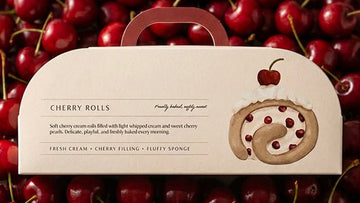
In today’s market, consumers are paying increasing attention to the environmental impact of the products they purchase, and food packaging is often the first point of contact between a brand and its customers.
For small businesses, transitioning to sustainable packaging is no longer merely a question of cost. It has become a strategic decision that affects brand longevity, customer loyalty, and long-term responsibility for sustainable development.
This article explores how small businesses can adopt eco-friendly food packaging in a practical and flexible manner, examines widely used packaging options, and outlines a realistic path toward a greener transition.

Choosing the right packaging material is the first step in any sustainability transition. Below are three widely adopted options that have proven effective in balancing environmental performance and everyday functionality.
1. Sugarcane Bagasse Packaging
Sugarcane bagasse is the fibrous residue left after sugar extraction. By converting this agricultural by-product into plates, bowls, and food containers, businesses give new value to renewable resources that would otherwise go to waste.
Bagasse packaging is naturally biodegradable and compostable, typically decomposing within 60–90 days in commercial composting facilities. Its durability allows it to withstand microwave heating, refrigeration, and temperatures of up to 200°C.
With excellent resistance to oil and moisture, sugarcane bagasse packaging is particularly suitable for foods containing sauces or liquids, such as takeaway curries, rice dishes, noodles, and various street foods. Choosing products certified to recognized standards, such as EN 13432, helps ensure verified compostability and environmental compliance.
2. PLA (Polylactic Acid) Bioplastic
PLA is typically produced from fermented corn starch or sugarcane. It closely resembles conventional plastic in appearance and offers high transparency, making it ideal for showcasing food.
Its key advantage lies in its ability to degrade under specific industrial composting conditions fully. However, PLA is primarily suitable for cold food and beverage applications, including salad containers, fruit boxes, smoothie cups, and sandwich packaging. Limited heat resistance remains its main constraint.
For businesses focused on cold foods or requiring clear packaging solutions, PLA represents a practical option for reducing their carbon footprint while maintaining product presentation.
3. Paperboard and Kraft Paper Packaging
Paper-based packaging is widely available and can be produced from recycled paper pulp, offering exceptional versatility. Using FSC-certified paper sources supports responsible forest management and strengthens sustainability credentials.
Uncoated paper packaging is suitable for home composting, while oil and moisture resistance can be achieved through water-based coatings or biodegradable PLA linings. Lightweight yet structurally stable, paperboard and kraft paper are well-suited for pizza boxes, bakery bags, burger wraps, and outer food containers. Printing with soy-based inks can further reduce environmental impact.

Eco-friendly packaging refers to packaging solutions that minimize environmental and health impacts throughout their lifecycle, from raw material sourcing to end-of-life disposal. These solutions often feature attributes such as compostability, recyclability, reusability, recycled content, or sustainably managed material origins.
For small businesses, adopting eco-friendly food packaging delivers tangible benefits. It directly responds to growing consumer demand for sustainable products, enhances brand differentiation, and strengthens competitive positioning. Over time, early adoption can also help mitigate regulatory risks as environmental standards become stricter. In some cases, optimized packaging design may even reduce logistics and storage costs.
There is no single universal solution. The most sustainable packaging choice depends on product type, available infrastructure, and end-of-life handling. Businesses should aim to balance the following three principles:
1. Compostable Packaging
Materials such as sugarcane bagasse and certified PLA can return to nature under appropriate conditions, reducing long-term waste accumulation. However, industrial composting requires supporting infrastructure. Whenever possible, businesses should select materials that can be properly processed within their local waste management systems.
2. Recyclable Packaging
Pure paperboard and kraft paper fall into this category. The key lies in keeping packaging design simple, avoiding unnecessary composite materials, and providing clear recycling instructions. Improving recycling rates is essential to building a functional circular economy.
3. Reusable Packaging
Reusable packaging represents the most advanced approach to waste reduction by addressing the issue at its source. Businesses may explore incentive programs that encourage customers to return packaging for cleaning and reuse, or deposit systems for durable containers.

Transparency is essential. Packaging should clearly communicate:
1. Material composition and proper disposal instructions (such as “industrially compostable” or “please recycle”)
2. Recognized environmental certifications (including EN 13432 and FSC)
3. A concise and honest statement of the company’s sustainability commitment, avoiding vague claims or greenwashing
Small businesses often face challenges during the transition, including higher upfront costs, supply chain reliability, and the learning curve associated with new materials. A phased approach is recommended: start by testing sustainable packaging on a best-selling product or a new product line; work closely with suppliers to secure flexible, small-batch purchasing options; and understand local waste treatment infrastructure to ensure that packaging claims align with real disposal outcomes.
For small businesses, meeting sustainability goals means finding a balance between commercial feasibility and environmental responsibility. It is not a one-time achievement, but an ongoing process of refinement and learning. Selecting eco-friendly food packaging that truly aligns with product needs and operational capabilities—and communicating this journey clearly and honestly—helps build trust and long-term brand value.
The journey toward sustainable packaging begins with an informed choice. SNFOOD is committed to supporting and advancing this important transition alongside businesses that value both responsibility and practicality.


