
For premium wines, packaging plays a crucial role in preserving the liquid and maintaining its flavor over time. While bottled wine has long been the industry standard, the world of wine packaging has expanded significantly in recent years, offering sommeliers and wine enthusiasts a wider range of options.
Interestingly, many of the wine packaging formats we see today can be traced back to the Enlightenment era. This period of intellectual and cultural flourishing fostered innovation across numerous fields, including glassmaking and packaging. The introduction of glass bottles sealed with cork, for example, marked a breakthrough in maintaining wine quality during transportation and storage.
Of course, wine bottles themselves continue to evolve. Lightweight glass bottles are becoming increasingly common, improving sustainability while remaining highly recyclable. Consumers have also grown accustomed to associating premium wines with glass bottles. But is this perception beginning to change? What alternative packaging options are emerging? Let us move beyond the traditional wine bottle and explore the evolving landscape of wine packaging.

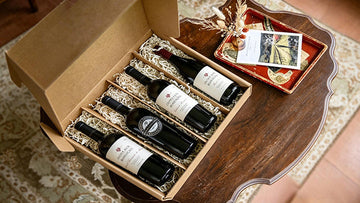
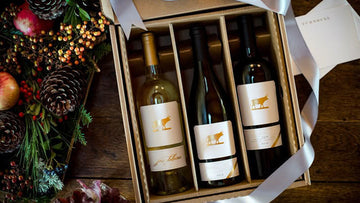
Bottled wine remains the dominant format in the market. Its strengths lie in excellent airtightness and low oxygen transmission, making it ideal for long-term aging. Glass does not chemically react with wine, ensuring flavor purity. In addition, bottle shapes and designs can be highly customized, supporting a premium brand image that aligns with consumer expectations of quality.
However, glass bottles are heavy, resulting in higher transportation costs and increased carbon emissions. As fragile items, they also require careful handling during storage and distribution.
Bag-in-Box packaging has seen rapid growth in recent years, particularly in the ready-to-drink segment. Typically composed of an outer carton, an inner bag, and a tap, this format allows wine to remain fresh for an extended period after opening by limiting oxidation. It is lightweight, shatter-resistant, and easy to store, with a lower cost per unit volume.
That said, Bag-in-Box packaging is generally not suitable for long-term storage and often struggles to convey a premium image, which limits its adoption in the fine wine category.
Barrel packaging is commonly used in restaurants, hotels, and event settings, where large volumes of wine are consumed quickly. Barrels offer a degree of temperature stability and can be reused, making them suitable for weddings, parties, and large gatherings.
However, barrels provide relatively poor sealing, are not designed for long-term storage, and are cumbersome to transport. As a result, they are rarely seen in retail environments.

Canned wine is one of the fastest-growing innovations in wine packaging, particularly among younger consumers. Aluminum cans are lightweight, unbreakable, and quick to chill, making them ideal for outdoor activities, concerts, and casual occasions. Typically offered in smaller portions, canned wine supports single-serve consumption and helps reduce waste.
Challenges remain, including limited aging potential, persistent perceptions of lower quality, and concerns about metallic flavors—although modern lining technologies have significantly reduced this risk.
Portable wine packaging refers to small, easy-to-carry formats such as 187 ml mini bottles, Tetra Pak cartons, or plastic wine cups. These formats greatly enhance convenience and accessibility, making them suitable for travel, individual consumption, or tasting scenarios. They help reduce waste and lower the cost of trying new wines.
However, they often struggle to communicate quality and typically offer shorter shelf lives.
Tube wine packaging represents a more niche innovation, usually using metal or plastic cylindrical containers that emphasize portability and visual appeal. These formats have found limited traction in outdoor sports and fashion-oriented settings. Nevertheless, small capacity, higher costs, and relatively modest protection for the wine keep tube packaging firmly within niche markets.
Sustainability has become a central focus in wine packaging decisions. Lightweight glass bottles reduce material usage and transportation emissions. Aluminum cans offer high recycling rates and efficient logistics. Bag-in-Box systems significantly lower carbon footprints due to their reduced weight and volume.
In addition, recyclable materials, bio-based plastics, and reusable packaging systems are gradually gaining traction. Despite these advances, sustainable packaging often comes with higher costs and limited supply-chain infrastructure. Consumer education remains essential, as many buyers are still unaware of how different packaging formats affect the environment.

Exploring the diverse forms of wine packaging highlights both technological progress and shifts in consumer culture. From classic glass bottles to innovative cans, from large barrels to compact portable formats, each option continues to define its own use cases and audience. As the industry balances quality, convenience, and sustainability, innovation in wine packaging shows no signs of slowing down.
SNFOOD will continue to monitor wine packaging trends and provide forward-looking insights and solutions for the industry.


