
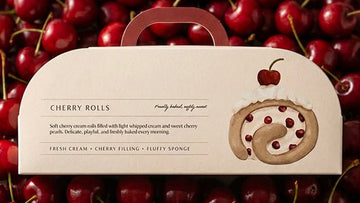


The global fast food industry is undergoing a quiet but profound transformation. The next time you walk into a chain restaurant or receive a freshly delivered burger and fries, you may notice something different about the packaging. Foam clamshells, hard-to-recycle plastic cups, and multi-layer composite wrappers are gradually disappearing. In their place are kraft paper bags with a natural texture, paper straws that feel less “perfect,” and new containers marked clearly with recycling symbols.
This is not a passing trend. It is a structural shift driven by consumer awareness, regulatory pressure, and growing environmental challenges.
Sustainable packaging is becoming essential in addressing environmental degradation and climate change. Market data reflects this urgency. The sustainable packaging market is projected to reach USD 351.4 billion by 2027 and USD 533.93 billion by 2033, compared to USD 266.4 billion in 2023. This near doubling signals a clear business reality that no company can afford to ignore.

Over the past decade, the concept of sustainable packaging has evolved significantly. In the early days, it was often simplified as “recyclable.” If a package carried the triangular recycling symbol, it was considered environmentally responsible.
Today, the definition is far more comprehensive.
True sustainable packaging must be evaluated across its entire lifecycle. This includes raw material sourcing, manufacturing, transportation, usage, and end-of-life disposal. A package made from renewable materials cannot be considered sustainable if it consumes excessive energy during production or generates high carbon emissions during distribution.
Functionality is another critical dimension. Fast food packaging has specific requirements. It must ensure food safety, resist grease, tolerate temperature changes, and often provide structural strength. Sustainability cannot come at the expense of performance. Consumers will not accept packaging that collapses, leaks, or fails during delivery, no matter how eco-friendly it claims to be.
Today’s industry consensus focuses on several key principles. These include replacing fossil-based plastics with renewable plant-based materials, adopting lightweight and minimal design strategies, ensuring recyclability or compostability, and building closed-loop systems where materials are effectively reused rather than downgraded.
These principles must work together as part of a system, not in isolation.
A note on greenwashing risks is essential. As the industry transitions, misleading environmental claims have already led to regulatory action. In 2022, the U.S. Federal Trade Commission strengthened oversight on terms like “biodegradable” and “compostable,” requiring credible third-party certification. In 2024, the EU introduced the Green Claims Directive, prohibiting vague environmental terms such as “eco-friendly” without clear evidence. Businesses should rely on recognized certifications like BPI, TÜV Austria, and FSC rather than supplier self-declarations.
For fast food brands, packaging has never been a minor detail. It is the first physical touchpoint between brand and consumer, an extension of product identity, and a significant cost component.
Today, sustainable packaging has moved from a “nice-to-have” to a “must-have.”
Leading brands are already taking action. McDonald’s has committed to sourcing all packaging from renewable, recycled, or certified materials and aims to enable recycling in all restaurants. Starbucks is actively testing reusable cup systems while working toward carbon neutrality by 2030. Yum! Brands, including KFC and Pizza Hut, are reducing plastic use, introducing paper straws, and optimizing packaging sizes to minimize material consumption.
These moves are not driven by idealism alone. Consumer behavior is shifting. Surveys consistently show that a significant percentage of consumers prefer products with sustainable packaging, and many are willing to pay a premium for it. When environmental awareness translates into purchasing decisions, ignoring this trend becomes a direct risk to market share.
Regulation is another powerful force. The EU has implemented strict packaging waste regulations with clear recycling and reuse targets. China’s plastic reduction policies are tightening across cities. Several U.S. states now mandate minimum recycled content in packaging. These are not distant policies; they directly impact daily operations.
Partnering with sustainable packaging suppliers is not just procurement. It is risk management. Securing compliant materials in advance is far more strategic than reacting under regulatory pressure.
Supply chain stability is often overlooked. Traditional packaging materials are heavily influenced by oil prices and geopolitical factors. In contrast, sustainable materials such as bamboo pulp, bagasse, and recycled fibers come from more diversified sources, offering greater long-term resilience.

In practice, several sustainable packaging solutions are already proving effective and continue to evolve.
Corrugated cushioning structures are a strong example of design innovation. Traditional protective packaging relies on bubble wrap or foam, which are bulky and difficult to recycle. Corrugated paper, engineered through folding and structural design, can provide effective cushioning while remaining fully recyclable.
Recyclable paper cups represent a major advancement in beverage packaging. Traditional cups use polyethylene linings that hinder recycling. New solutions include water-based or bio-based coatings that allow full paper recovery, or specialized recycling facilities capable of separating materials. Both approaches are gaining traction, depending on the infrastructure.
Kraft paper packaging remains one of the most practical solutions in fast food. Used for burgers, sandwiches, and fried items, it offers natural aesthetics, breathability, and excellent recyclability. The key lies in balancing strength and chemical treatment to ensure durability without compromising environmental performance.
Paper straws, though controversial, have improved significantly. Early versions softened quickly and affected the user experience. New designs with multi-layer spiral structures and enhanced adhesives now provide better durability. While not perfect, they offer a clear advantage over single-use plastic straws.
Biodegradable and recyclable plastics represent another pathway. However, it is crucial to clarify that not all biodegradable plastics break down in natural environments. Many require industrial composting conditions. Without proper facilities, they may persist for years. Businesses must ensure local waste systems can support these materials before adoption.
Studies highlight this challenge. PLA cups labeled as industrially compostable have shown minimal degradation after extended exposure in marine environments and may remain intact in landfills for decades. In such cases, recyclable or paper-based packaging may be more practical.
Beyond these mainstream solutions, innovation continues. Bamboo pulp molded containers offer natural antibacterial properties and strong performance. Bagasse, a byproduct of sugar production, provides durable and heat-resistant packaging. Seaweed-based materials are being explored for edible films. Each solution has its own strengths and limitations, contributing to a diverse ecosystem of sustainable packaging options.

The transition to sustainable packaging is complex and comes with real challenges.
Cost remains the most immediate barrier. Sustainable materials are often more expensive than conventional plastics. Recycled pulp prices fluctuate, bio-based plastics lack scale efficiency, and new coatings require R&D investment. For fast food businesses operating on tight margins, these costs must be carefully managed.
Performance and user experience must also be balanced. Consumers expect packaging to be functional, clean, and reliable. A package that fails during use will not be accepted, regardless of its sustainability credentials. Continuous testing and material optimization are essential.
Recycling infrastructure is a systemic issue. Even fully recyclable packaging can end up in landfills if collection systems are inadequate. Food contamination, small sizes, and mixed materials further complicate recovery. Addressing this requires both better design and improved municipal systems.
Consumer behavior plays a critical role. The environmental impact of packaging depends heavily on how it is disposed of. Clear instructions aligned with local recycling systems are essential, along with subtle and effective consumer education.

Despite the challenges, the sustainable packaging industry continues to grow rapidly. The rise of e-commerce and increasing demand for packaged food and beverages are key drivers. With billions of takeout containers used daily, even small improvements can create a massive environmental impact.
Sustainability requires collaboration across the entire value chain. Packaging manufacturers, equipment suppliers, and logistics providers must work together, share knowledge, and align their efforts.
For fast food businesses, now is the time to rethink packaging strategy. It should not be treated merely as a cost center, but as a strategic investment. Choosing a sustainability-focused partner like SNFOOD means more than sourcing packaging. It means aligning with expertise, innovation, and long-term environmental commitment.
When your fast food packaging becomes more sustainable, you are not only contributing to the planet’s future. You are also building lasting trust with your customers.


