


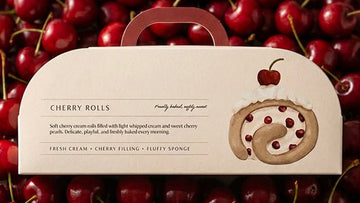
When people think of boxed wine, the first impressions that come to mind are often outdated: low-cost, ordinary, or lacking sophistication. Traditional square wine boxes have long struggled to be associated with elegance, quality, or premium experiences.
However, a new packaging innovation is changing this perception. The handbag wine box has transformed wine packaging from a simple protective container into a stylish social accessory that combines functionality, aesthetics, and brand value.
When wine is presented in a carefully designed box inspired by a handbag, the experience immediately changes. It is no longer just a bottle of wine—it becomes a thoughtful gift, a conversation starter, and a fashionable item that consumers are proud to carry.
Whether attending a dinner party, enjoying an outdoor picnic, or bringing a gift to friends, handbag wine packaging makes BYOB (Bring Your Own Bottle) occasions more convenient and sophisticated. It perfectly matches modern consumers’ growing demand for portability, presentation, and lifestyle-driven design, allowing wine to travel in a more elegant way.
The success of handbag wine boxes is not based on appearance alone. Their popularity comes from solving real problems in wine storage, transportation, and brand presentation.
Unlike traditional packaging formats, a custom handbag wine box combines practical advantages with premium visual appeal, making it an ideal choice for wine brands seeking differentiation in a competitive market.
1. Better Wine Preservation: Freshness Beyond Traditional Bottles
One of the most impressive advantages of handbag wine boxes is their ability to improve wine preservation.
Unlike traditional glass bottles sealed with corks, which allow oxygen exposure after opening and may accelerate oxidation, handbag wine boxes often use bag-in-box wine packaging technology. This structure includes a food-grade inner pouch and a specially designed dispensing valve.
When you pour wine, the inner bag gradually collapses instead of letting air in. This significantly reduces oxygen contact and helps maintain wine quality for a longer period after opening.
For consumers, this means greater flexibility. A traditional 750ml wine bottle may lose its freshness quickly once opened, especially if it cannot be finished in one sitting. A handbag wine box allows consumers to enjoy wine at their own pace while maintaining better freshness.
The concept of “the last glass tasting as fresh as the first” makes this packaging solution especially attractive for casual home drinking, small gatherings, and consumers who prefer moderate wine consumption.
For wine brands, this preservation advantage also creates a strong selling point, helping customers understand that innovative packaging does not compromise wine quality.
2. Easy to Carry and Store: Lightweight Design Without the Fragility
The weight and fragility of glass bottles have always limited wine portability. Carrying wine outdoors, traveling with it, or transporting multiple bottles often requires extra care.
A handbag wine box solves this challenge through lightweight paperboard construction combined with a flexible inner pouch. Compared with traditional glass bottles of the same capacity, it is easier to carry and more convenient for transportation.
The biggest advantage is durability. Consumers no longer need to worry about broken glass during outdoor activities such as picnics, concerts, camping trips, or social gatherings.
Storage is another practical benefit. Unlike round bottles that require more space, the rectangular structure of a wine box is easier to organize in refrigerators, cabinets, and bags.
Some markets have even introduced smaller handbag-style wine packaging formats designed specifically for personal outdoor enjoyment, proving that portability has become an important trend in modern wine consumption.
3. Versatile Applications: From Everyday Enjoyment to Premium Gifting
The application possibilities of a handbag wine box go far beyond traditional wine storage. It fits naturally into various consumption scenarios, from casual home drinking to social events and corporate gifting.
For everyday consumers, handbag wine packaging provides a practical solution for those who enjoy wine occasionally but do not want to open a full bottle every time. Its freshness-preserving advantage makes it especially suitable for relaxed evenings, small family gatherings, or weekend enjoyment.
In social settings, the handbag-inspired design itself becomes a stylish accessory. Instead of carrying a standard wine bottle wrapped in a simple bag, consumers can bring a beautifully designed package that reflects personal taste and attention to detail.
For corporate gifts, holiday presents, and promotional campaigns, a custom handbag wine box offers additional emotional value. The combination of elegant appearance and practical functionality allows brands to create a memorable gifting experience rather than simply delivering a product.
Some brands have even developed larger handbag-style wine boxes that can hold multiple bottles or be reused for storage, further expanding the value of this packaging format.
4. Elegant and Premium: Using Design to Communicate Quality
Returning to the original challenge—breaking the outdated perception of boxed wine—the true strength of handbag wine packaging lies in its ability to elevate product presentation.
By borrowing elements from fashion handbags, this packaging style transforms a simple wine container into a premium lifestyle product. High-quality paper materials, leather-like textures, refined handles, and decorative finishing techniques create a stronger sense of luxury and craftsmanship.
From early bag-in-box concepts to today’s modern designs featuring geometric structures, premium textures, gold foil stamping, and customized finishes, handbag wine boxes have evolved from ordinary supermarket packaging into a sophisticated branding tool.
The message behind this design evolution is clear: packaging influences perception.
When consumers see a beautifully designed handbag wine box, they naturally associate it with carefully selected wine, thoughtful craftsmanship, and a higher level of experience. This emotional value is something traditional cardboard boxes or plastic packaging cannot easily achieve.
5. Brand Promotion: A Mobile Advertisement and Brand Identity Tool
For wine producers, distributors, and retailers, a handbag wine box is more than packaging—it is a powerful marketing asset.
Compared with ordinary wine labels or standard cartons, a uniquely shaped and visually appealing handbag wine box naturally attracts attention in social environments. When consumers carry it to restaurants, parties, outdoor events, or gatherings, the packaging itself becomes a form of brand exposure.
This creates valuable word-of-mouth marketing without additional advertising costs.
More importantly, handbag wine packaging provides extensive customization opportunities. Brands can personalize:
Colors and design styles
Paper materials and textures
Logo placement
Printing techniques such as foil stamping, embossing, and UV coating
Handle designs and structural details
Through customized wine packaging solutions, brands can create a stronger visual identity and build deeper emotional connections with their target customers.
A distinctive handbag wine box is not only a protective package—it becomes a physical representation of the brand’s personality and market positioning.
As consumer expectations continue to evolve, wine packaging is no longer judged only by protection and transportation functions. Today, successful packaging must deliver multiple values at the same time:
Functionality:
Protecting wine quality, improving storage convenience, and enhancing portability.
Visual Appeal:
Creating a premium first impression and helping products stand out on shelves.
Brand Storytelling:
Communicating brand philosophy, craftsmanship, and lifestyle values through design.
Consumer Experience:
Turning ordinary wine consumption into a more memorable and shareable moment.
For wine brands seeking differentiation, investing in premium wine packaging design is no longer an optional marketing choice—it is becoming an essential part of product strategy.
A well-designed handbag wine box allows brands to compete not only through the wine itself but also through the complete experience surrounding the product.
The handbag wine box represents more than a simple change in packaging format. It reflects a deeper evolution in how consumers experience and value wine.
By combining advanced bag-in-box technology with stylish design, this packaging solution addresses practical challenges such as freshness, transportation, and storage while creating stronger emotional connections with consumers.
Whether for personal enjoyment, social occasions, or premium gifting, handbag wine boxes offer a more elegant and practical alternative to traditional wine packaging.
For wine brands looking to enhance product value, strengthen brand recognition, and create a memorable customer experience, customized handbag wine packaging provides an opportunity to turn packaging from a cost factor into a powerful brand asset.


