
The moment a box of chocolate is placed in your hands, the story has already begun.
Your fingertips sense the texture first. Your eyes absorb the colors and graphics. In an instant, your mind deciphers everything the brand intends to communicate—taste, emotion, craftsmanship, and value.
In the premium chocolate market, packaging has long gone beyond basic protection. It has become a silent salesperson, a powerful amplifier of brand value, and often the deciding factor in whether consumers are willing to pay a premium. For brands, a successful packaging design wins the psychological battle before the first bite is ever taken.
This article explores ten chocolate packaging design directions set to lead the market in 2026. These are not merely visual expressions—they are precise commercial strategies shaping the future of high-end chocolate branding.

Traditional rectangular chocolate boxes are gradually losing their appeal. The future belongs to designs that create surprise and interaction through innovative physical forms. Structural creativity is closely tied to usage scenarios and emotional memory.
For example, a certain well-known brand’s 2026 Chinese New Year “Fortune Scroll” gift box features a cylindrical structure inspired by traditional lucky draws. Finished with velvet cords, the opening experience feels ceremonial, transforming gifting into an engaging ritual. Similarly, another collection from a certain well-known brand includes lantern-, carousel-, and persimmon-shaped boxes, which double as festive decorations and natural conversation starters.
More forward-looking designs focus on modular and transformable structures. A “Golden Blind Box” gift set launched by a certain well-known brand contains 25 individual drawer compartments, encouraging consumers to explore one by one and extending consumption into an ongoing experience. Its angled, double-layer drawer design creates dynamic visual movement the moment the box is opened.
🎯Explore Our Innovative Custom-Shaped Chocolate Gift Boxes👉

If visual appeal draws attention, tactile experience makes premium quality credible. In 2026, material selection continues to move toward richer contrasts and layered sensory experiences.
On one end, some brands push paper to its expressive limits. Soft, translucent specialty papers paired with minimal fastenings convey craftsmanship, naturalness, and authenticity. On the other hand, metal packaging remains a symbol of luxury. Food-grade tinplate boxes provide excellent protection while enabling refined printing and hot-foil stamping. Their weight, solidity, and crisp opening sound deliver a ritualistic experience unmatched by paper or plastic.
The emerging direction lies in material contrast—combining warm paper with cool metal, matte surfaces with glossy finishes—to create depth and elevate perceived value.

Color is a universal language that communicates emotion instantly. It defines product positioning and targets specific audiences with precision.
In 2026, color trends show both polarization and intentional application. For festive themes, classic red-and-gold palettes remain unmatched in conveying celebration and luxury. Lunar New Year collections released by certain well-known brands continue to rely on these tones to reinforce tradition and prestige.
In regular product lines, color serves a more functional purpose. Minimalist designs often use high-saturation solid backgrounds to stand out on crowded shelves while clearly distinguishing flavors. Products positioned around health or high cocoa content tend to adopt earth tones, muted Morandi palettes, or black-and-white geometric compositions, visually reinforcing rationality, purity, and nutritional value.
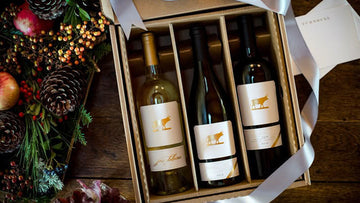
🎯Discover Our Fully Customizable 9-Compartment Christmas Chocolate Gift Boxes with Custom Inserts👉

Typography is the visual expression of a brand’s voice. In an era of information overload, packaging typography has become more restrained and purposeful.
Custom sans-serif typefaces dominate due to their clarity, modernity, and reduced visual noise. Some contemporary designs enlarge product names or key messages dramatically, allowing typography itself to function as the primary graphic element.
Another emerging approach is typographic symbolism, where words are transformed into visual motifs. Festive phrases such as “Prosperity” or “Good Fortune” serve simultaneously as message and design structure.
Typography is no longer just about readability—it defines whether a brand feels modern, classic, artistic, or avant-garde.
As shelf competition intensifies, consumers are increasingly drawn to visual narratives with emotional and cultural depth, rather than purely decorative graphics.
Story-driven design operates on two levels. The first is brand heritage storytelling. A certain well-known brand draws on its historical legacy and symbolic imagery, translating long-standing brand stories into embossed chocolates and iconic packaging visuals.
The second level is cultural resonance, which requires a deep understanding of local emotions. Integrating elements such as traditional opera aesthetics or symbolic animals allows packaging to act as a cultural bridge. Whether it is a galloping horse symbolizing momentum or illustrations of family sharing, effective imagery invites consumers into a brand-created emotional world.

Details often define luxury. Hot stamping, embossing, debossing, spot UV, and silk-screen printing elevate flat designs into tactile works of art through subtle plays of light and texture.
For example, a galloping horse rendered in gold foil against a deep red background achieves a level of richness unattainable through standard printing.
More experimental designs combine function with craftsmanship. A limited-edition package released by a certain well-known brand once featured thermochromic ink that changes color when chilled, turning temperature into an interactive experience and a compelling marketing feature.
🎯Explore Our Custom UV Gloss-Printed Luxury Chocolate Gift Boxes👉

Luxury gift boxes are evolving from material-driven designs to fully staged experiences. Created for banquets, formal gifting, and premium social occasions, these packages emphasize dramatic unboxing.
A red-and-gold double-layer drawer gift box introduced by a certain well-known brand organizes chocolates by category, turning dessert sharing into a ritual of discovery. Some brands go further by combining chocolates with spreads or champagne, transforming a single product into a complete lifestyle offering.
In these cases, the packaging itself becomes an event, delivering emotional and social value far beyond the product.
Festivals are peak moments for emotional consumption, making limited-edition packaging a powerful engagement tool. Successful festive designs reinterpret cultural meaning rather than simply applying seasonal symbols.
For the 2026 Year of the Horse, collections launched by certain well-known brands centered their designs on equestrian imagery, each with distinct interpretations—some emphasizing vibrant celebration, others expressing prosperity through floral linework.
By integrating cultural rituals—such as red envelopes, fortune slips, and blessing characters—directly into structure and interaction, brands satisfy both cultural identity and contemporary aesthetic expectations.

Corporate customized chocolate packaging boxes represent a fast-growing segment, extending the reach of gifting into brand communication. The key challenge is moving beyond logo placement to meaningful integration.
Effective designs incorporate corporate color systems, industry symbols, and anniversary themes. Some standout executions transform packaging into miniature product replicas, such as vehicle-shaped boxes or architectural landmark forms.
In these scenarios, chocolate becomes a medium through which brand values are experienced, remembered, and shared.
Sustainability has shifted from corporate responsibility to a core purchasing factor. For chocolate brands, eco-conscious packaging is no longer optional.
Leading players in the industry are taking action across multiple fronts. Certain well-known brands have introduced packaging made with high percentages of recycled materials, launched compostable paper-based structures, and committed to achieving fully sustainable packaging sourcing supported by FSC-certified paper.
More importantly, sustainability itself has become a selling point. Ongoing research into high-barrier cellulose fiber packaging aims to balance product protection with recyclability. Brands that clearly communicate environmental impact through certifications and transparency strengthen trust and gain long-term competitive advantage.
In 2026, chocolate packaging design is a multidimensional arena where structure, materials, color, storytelling, craftsmanship, and values converge. From interactive blind-box experiences to culturally symbolic visuals, from minimalist paper artistry to advanced sustainable solutions, each success story confirms one truth:
Exceptional customized chocolate packaging boxes are strategic business tools, not decoration.
Want to learn more about disposable food packaging trends, sustainable materials, and custom food packaging innovations?
Subscribe to SNFOOD✔️ for the latest updates on industry regulations, packaging R&D, and real-world packaging solutions for modern food brands.


