
As sustainability becomes a core business priority, eco-friendly food packaging is no longer a trend—it is a requirement. Food and beverage brands face increasing pressure from consumers, regulators, and retail partners to reduce environmental impact without compromising food safety or brand presentation.
This guide explains what eco-friendly food packaging really means, how it benefits your business, and how to choose the right sustainable packaging solutions for your brand.
Eco-friendly food packaging refers to packaging solutions designed to minimize environmental impact throughout their lifecycle—from material sourcing and production to use and disposal.
Consumers increasingly prefer brands that demonstrate environmental responsibility. Sustainable packaging improves brand trust and directly influences purchasing decisions, especially in fast food and takeaway markets.
Many regions now restrict single-use plastics. Using eco-friendly food packaging helps brands stay compliant while reducing long-term operational risk.
Eco-conscious packaging signals quality, responsibility, and long-term thinking—values that resonate with both consumers and B2B buyers.

Paper-based packaging is widely used for cups, fast food boxes, pastry packaging, and takeaway containers. When responsibly sourced, it offers excellent recyclability and versatility.
Plant-based materials and compostable coatings are suitable for short-term food contact applications such as cups, trays, and containers.
Post-consumer recycled paper reduces raw material usage and lowers carbon footprint while maintaining functional performance.
Sustainable packaging must still protect food quality. Heat resistance, grease resistance, and leak prevention are essential for real-world foodservice use.
Eco-friendly food packaging can be fully customized with logos, colors, and printed designs using food-safe inks—allowing brands to maintain strong visual identity.
For B2B buyers, consistent quality, stable supply, and scalable production capacity are just as important as sustainability.
Eco-friendly food packaging is widely used across multiple foodservice sectors.
In takeaway and quick-service restaurants, brands increasingly replace plastic with paper-based solutions. Sustainable fast food packaging solutions such as burger boxes, paper cups, and food containers help reduce environmental impact while maintaining efficiency.
For beverage brands, recyclable cups and containers are essential. Many choose coffee packaging solutions made from FSC-certified paper and compostable coatings to meet sustainability goals.
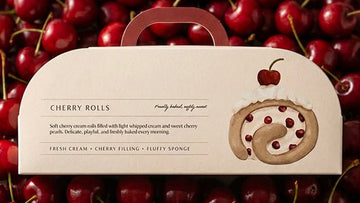
Bakery and pastry brands benefit from sustainable presentation as well. Customized bakery packaging solutions combine structural protection with eco-conscious materials for premium baked goods.

Eco-friendly food packaging is an investment in brand credibility, regulatory readiness, and long-term sustainability. By choosing the right materials, designs, and manufacturing partners, brands can reduce environmental impact while enhancing product presentation and customer trust.
Looking to upgrade your packaging to eco-friendly food packaging solutions?
SN Foodpack specializes in sustainable, custom food packaging for food and beverage brands worldwide. From material selection to structural design and bulk production, we help brands create packaging that protects products and supports sustainability goals.
Contact us today to discuss your eco-friendly packaging requirements and wholesale options.

Eco-friendly food packaging uses recyclable, biodegradable, or renewable materials while meeting food safety standards and reducing environmental impact.
Yes. Properly designed eco-friendly food packaging provides heat resistance, grease resistance, and structural stability for fast food and takeaway use.
Yes. Eco-friendly food packaging can be customized with logos, colors, and printed designs using food-safe inks.
Costs depend on materials and order volume. For wholesale buyers, eco-friendly packaging is often cost-effective at scale and adds long-term brand value.
Fast food chains, coffee shops, bakeries, chocolate brands, and food distributors widely use eco-friendly food packaging solutions.


