


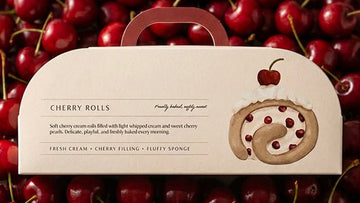
The baking industry is undergoing a profound green transformation. In this shift, eco-friendly baking packaging is no longer an optional consideration; it has become a critical factor that determines whether businesses can remain competitive in the next stage of the market.
As global initiatives such as the Plastic Treaty continue to advance and consumer environmental awareness grows, the traditional logic of bakery packaging is being fundamentally redefined. Today, packaging is no longer just a container. Instead, it has become a strategic tool that combines sustainability, brand value, and product protection.
This article explores how eco-friendly baking packaging and compostable packaging solutions are guiding the baking industry toward a more sustainable future. From material innovation and cost efficiency to consumer demand and practical implementation, we examine how sustainable bakery packaging can reshape the industry landscape.

Compostable packaging has become an ideal solution for modern bakery packaging because it aligns naturally with the distribution characteristics and environmental lifecycle of baked goods.
Bakery products such as bread, cakes, and pastries typically have relatively short shelf lives. This characteristic matches well with the degradation cycle of compostable packaging materials, creating an environmentally responsible solution for eco-friendly baking packaging.
As a result, many bakeries are now considering compostable materials as a key component of their sustainable bakery packaging strategy.
Understanding Eco-Friendly Materials for Bakery Packaging
Several environmentally friendly materials currently dominate the sustainable bakery packaging market, including PLA (polylactic acid), PHA, and starch-based blends.
PLA is transparent and rigid and is usually derived from renewable resources such as corn or sugarcane. It is commonly used for pastry containers, salad boxes, and clear bakery containers. However, PLA has limited heat resistance and is generally recommended for use at temperatures below 60°C.
PHA offers more advanced performance for eco-friendly baking packaging. It can fully degrade in both soil and marine environments without producing microplastics. In addition, PHA provides excellent grease resistance and oxygen barrier properties, making it particularly suitable for premium bakery packaging.
Starch-based materials, typically derived from corn or potatoes, represent the most cost-effective entry-level solution. These materials are widely used for short-term bread packaging bags and simple compostable bakery packaging.
Recent advances in material science have even enabled researchers to convert waste bread into biodegradable plastic films. Through plasticization and blending with PBAT, researchers have successfully produced uniform films without structural defects. This innovation marks an important step toward turning food waste into resources within the eco-friendly baking packaging ecosystem.
Sustainability Benefits for Bakeries
Adopting eco-friendly baking packaging offers bakeries significant sustainability advantages at the operational level.
First, it reduces reliance on fossil fuels and lowers the company’s carbon footprint. Second, compostable packaging helps solve the long-standing recycling challenges associated with traditional plastic bakery packaging.
Under industrial composting conditions, certified compostable materials can break down into organic matter within 90 to 120 days. This process helps create a circular system that connects farm, food production, consumption, and soil regeneration, supporting a closed-loop economy.
Environmental Impact of Biodegradable Bakery Packaging
From a lifecycle perspective, biodegradable bakery packaging places far less environmental burden on the planet than traditional plastic packaging.
Conventional plastic packaging degrades extremely slowly in natural environments and often fragments into microplastics that cause long-term ecological pollution.
In contrast, certified compostable packaging materials used in eco-friendly baking packaging can decompose into water, carbon dioxide, and organic matter under industrial composting conditions. Importantly, this process leaves no visible or toxic residue in the environment.
The Role of Natural Brown Kraft Paper in Bakery Packaging
Natural brown kraft paper plays an essential structural role in eco-friendly bakery packaging.
It provides strong physical durability, which helps protect bakery products from compression during transportation. At the same time, its natural appearance communicates a brand message associated with artisan quality, health, and environmental responsibility.
However, not all paper packaging is equally sustainable. Virgin pulp production requires significant wood resources and water consumption. More sustainable options include straw-pulp paper made from agricultural residues or recycled paperboard materials, which contribute to more responsible bakery packaging production.
Reducing Plastic Waste with Plant-Based Packaging Alternatives
Plant-based materials directly address the root cause of plastic waste in the bakery packaging industry.
By incorporating plant-derived polymers into eco-friendly baking packaging, manufacturers can significantly reduce reliance on petroleum-based plastics without sacrificing functional performance.
For example, high-barrier compostable bakery packaging materials have been shown to preserve the freshness of sliced bread for 7 to 10 days. This demonstrates that sustainable bakery packaging can achieve both environmental goals and strong product performance.

With the growing variety of sustainable packaging options available, bakeries must establish a systematic evaluation approach when selecting eco-friendly baking packaging.
Rather than simply following trends, businesses should assess packaging solutions based on product protection, sustainability performance, operational efficiency, and cost structure.
Comparing Eco-Friendly Baking Packaging with Traditional Packaging
When evaluating bakery packaging options, companies must conduct a comprehensive comparison between conventional and sustainable materials.
Traditional plastic packaging often offers lower upfront purchasing costs and a mature supply chain. However, hidden costs are becoming increasingly significant. These costs include rising plastic taxes, carbon compliance risks, and waste management expenses caused by low recyclability.
By contrast, eco-friendly baking packaging may involve slightly higher upfront costs, but it often generates long-term value through brand differentiation and consumer preference.
Market data shows that the purchasing share of environmentally friendly products (32.45%) has already exceeded their market supply share (23.92%). This indicates that demand for sustainable bakery packaging is currently driving supply expansion.
Choosing the Right Bakery Box for Cakes
Cake products require bakery packaging that combines strong structural support with appealing visual presentation.
Multi-layer cream cakes, for example, require packaging with excellent strength and shock resistance. In such cases, molded pulp inserts made from recycled materials or high-strength corrugated kraft boxes are ideal solutions for eco-friendly baking packaging.
If refrigeration is required, packaging materials should include anti-condensation coatings that meet biodegradability standards. Traditional PE-laminated packaging should be avoided whenever possible in sustainable bakery packaging systems.
Key Considerations for Transportation and Storage
Transportation and storage conditions are critical factors when implementing eco-friendly baking packaging.
If plant-based films are used in automated packaging lines, compatibility with automatic bagging machines and flow-wrapping equipment must be verified. Differences in material friction coefficients may otherwise lead to unexpected production interruptions.
In addition, warehouse temperature and humidity must be carefully managed. Some biodegradable materials used in compostable bakery packaging may soften or degrade prematurely in high-temperature or high-humidity environments.

Switching to eco-friendly baking packaging is not only an environmental responsibility but also a strategic business decision.
Sustainable bakery packaging can strengthen brand positioning, improve customer trust, and enhance long-term competitiveness in the marketplace.
Enhancing Customer Perception
Consumers show extremely positive attitudes toward environmentally responsible products and sustainable bakery packaging.
Data analysis shows that more than 97% of customer reviews related to green product attributes are positive. When consumers see bread packaged in certified compostable packaging or cakes presented in natural kraft bakery boxes, they often perceive the products as fresher, healthier, and more responsible.
This perception directly contributes to stronger brand loyalty and repeat purchases.
Research from McKinsey also indicates that consumers increasingly consider compostable packaging to be the most sustainable packaging option, even surpassing traditional paper and recycled materials.
Cost Analysis of Sustainable Bakery Packaging
Cost remains one of the most common concerns when businesses consider eco-friendly baking packaging.
Although the average market green premium is approximately 68.95%, prices in several categories have already reached parity with conventional packaging, and in some cases are even lower.
This trend is largely driven by technological advancements and large-scale manufacturing.
When evaluating costs, companies should also consider hidden factors associated with traditional bakery packaging, including:
When these factors are included, the total cost of ownership for eco-friendly baking packaging is rapidly approaching—or even outperforming—traditional packaging solutions.

Successfully implementing compostable packaging requires not only purchasing sustainable materials but also using and disposing of them correctly.
Maintaining Freshness for Baked Goods
The primary function of bakery packaging remains the preservation of product freshness.
High-barrier materials are essential for protecting baked goods that are sensitive to oxygen and moisture.
Optimized single-material compostable packaging structures can effectively prevent bread from drying out or developing mold for seven to ten days. For cookies and biscuits, packaging should focus on airtight sealing and strong impact protection.
Providing Proper Disposal Guidance
The environmental value of eco-friendly baking packaging can only be realized when the packaging is disposed of correctly.
Companies should clearly print disposal instructions on their bakery packaging. For example:
Public education also plays an important role. Many consumers mistakenly place biodegradable plastics into traditional recycling streams, which can contaminate recycling systems.
Encouraging consumers to remove tape, separate materials, and clean residues can greatly improve disposal outcomes.
Collaborating with Supply Chain Partners
The development of eco-friendly baking packaging requires strong collaboration throughout the supply chain.
Bakeries should establish close partnerships with packaging suppliers and participate in early-stage material testing. This collaboration may include evaluating PBAT/TPB blended films or exploring the possibility of converting bakery waste into packaging materials.
Logistics partners must also understand the stacking strength and handling characteristics of new bakery packaging materials, allowing them to adjust storage and transportation strategies accordingly.
Understanding Consumer Preferences
Modern consumers pay attention not only to the product itself but also to the values represented by the brand.
Many consumers now actively seek products that combine health, quality, and environmental responsibility. By analyzing social media feedback and customer reviews, bakeries can better understand whether their eco-friendly baking packaging resonates with customers.
These insights help companies refine their packaging strategy and ensure that sustainable investments translate into real market competitiveness.

In conclusion, eco-friendly baking packaging is not merely a simple material substitution. Instead, it represents a comprehensive transformation involving material science, supply chain coordination, cost management, and brand communication.
This shift is fundamentally reshaping the logic of the baking industry and accelerating the transition from a linear economic model to a circular economy.
In this wave of green transformation, professional packaging solution providers play an essential role. If you are searching for sustainable bakery packaging that balances performance, aesthetics, and environmental responsibility, SNFOOD is committed to delivering forward-looking packaging solutions.
Our eco-friendly baking packaging products are designed to help bakeries successfully navigate the transition toward a greener and more sustainable future.


