
In today’s highly competitive wine market, a product’s success depends not only on the quality of the wine itself, but also on how it is presented to customers. Packaging—especially wine boxes that directly protect and carry the product—has become a critical factor influencing business performance.
Many wineries and distributors face persistent packaging-related challenges in their daily operations. When these issues are not properly addressed, they can lead to increased costs, reduced customer satisfaction, and even long-term damage to brand reputation. This article explores five of the most common packaging challenges that affect business performance and explains how customized solutions can address them in a practical and effective way.

Transportation damage is one of the most direct and costly issues in the wine industry. From warehouse dispatch to logistics transfers and long-distance shipping, wine bottles are exposed to vibration, impact, pressure changes, and temperature fluctuations. Standard, one-size-fits-all packaging often fails to provide adequate protection for bottles of different shapes, weights, and value levels.
Broken bottles, scuffed labels, or leakage not only result in product loss but also generate costly returns and erode customer trust.
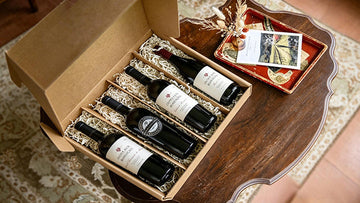
The core advantage of custom wine boxes lies in their tailored protective design. By precisely measuring bottle dimensions and weight, customized internal structures—such as reinforced partitions, cushioned inserts, or suspension-style supports—can be engineered to absorb and distribute external forces more effectively.
Material selection is equally important. Depending on shipping distance and environmental conditions, corrugated board with appropriate compression strength or specialty protective materials can be specified to create a reliable physical barrier. This targeted protection significantly reduces breakage rates, minimizes after-sales disputes, and protects overall profitability.
Cost control is a constant priority for businesses, but reducing costs should never mean sacrificing quality. Choosing overly thin or low-grade packaging may appear economical in the short term, yet it often leads to higher damage rates and long-term brand value erosion. True cost optimization comes from improving the efficiency of the entire packaging system.
Custom wine box packaging reduces material waste through precise design. Eliminating excessive space—such as placing small bottles in oversized boxes—results in lower material consumption, reduced storage requirements, and improved shipping efficiency. These factors translate directly into measurable cost savings.
In addition, a thoughtfully designed custom solution can streamline assembly processes, reducing labor time and operational complexity. From a lifecycle perspective, customization is not an added expense, but a strategic approach to achieving the lowest total cost while maintaining product safety and brand value.

Environmental responsibility has become a key consideration for both consumers and business partners. Sustainable packaging practices are no longer optional; they are an essential part of corporate responsibility and market competitiveness. Standard packaging solutions often rely on excessive fillers and non-recyclable materials, increasing waste and environmental impact.
Custom wine boxes offer a clear path toward more sustainable packaging. Right-sized designs inherently reduce material consumption, supporting waste reduction at the source. Businesses can also specify environmentally responsible materials, such as paperboard with high recycled content, biodegradable inks, and components that are easy to separate and recycle.
In addition, multifunctional packaging designs can encourage reuse, allowing consumers to repurpose wine boxes for storage and extend their lifecycle. These practices reduce environmental footprint, align with evolving regulations, and strengthen brand appeal among environmentally conscious customers.
In warehouses and distribution centers, time directly translates into cost. Complicated packaging steps, excessive components, and poorly stackable designs slow order fulfillment and can become bottlenecks during peak seasons. Inefficient packaging processes increase labor demands and raise the risk of operational errors.
Customized packaging solutions integrate usability into the design stage. Features such as pre-glued structures or snap-lock closures enable quick assembly without additional tools or tape, significantly reducing packing time. Standardized box formats that are compatible with manual handling or automated packing lines improve workflow integration.
Clearly defined labeling areas also enhance sorting and dispatch efficiency. These operational improvements increase warehouse throughput and allow businesses to respond more effectively to fluctuations in demand, particularly during promotional periods or holidays.

Wine consumption is closely tied to emotion and experience. When customers receive a product, packaging represents their first physical interaction with the brand. A generic or poorly made wine box can instantly diminish perceived value, regardless of the quality of the wine inside.
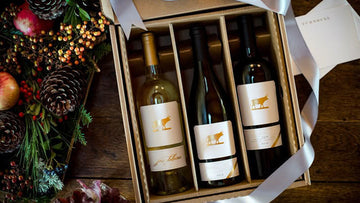
In contrast, a thoughtfully designed custom wine box elevates the unboxing experience. Premium textures, refined finishes, and a deliberate opening sequence communicate craftsmanship, attention to detail, and brand positioning. Packaging becomes a storytelling medium rather than merely a container.
Custom wine boxes also function as mobile brand assets. They enable consistent application of brand colors, logos, and visual language, reinforcing recognition at every touchpoint. Unique structures, innovative opening mechanisms, or refined surface treatments—such as foil stamping or embossing—can create memorable moments that encourage social sharing and organic brand exposure.
A high-quality packaging experience directly contributes to customer satisfaction and repeat purchases, transforming one-time transactions into long-term brand relationships.
Addressing these complex packaging challenges independently often requires significant investments of time, trial-and-error costs, and internal resources. Packaging involves material science, structural engineering, manufacturing processes, logistics planning, and brand communication—far beyond a single operational function.
If you are exploring how custom wine boxes can create measurable value for your wine business, working with a specialized packaging partner can help you achieve durable, brand-aligned results. We focus on delivering customized packaging solutions tailored to your specific needs and operational goals. Reach out to our professional team to receive targeted guidance and strategic insights.


