


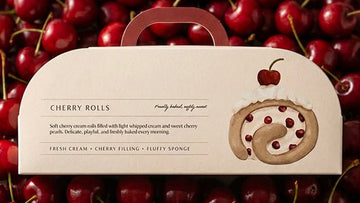
In the sweet and highly competitive world of chocolate, product quality is undoubtedly the foundation. However, what truly determines whether a consumer pauses in front of a shelf often comes down to those critical few seconds of visual engagement. Packaging—especially stickers as a visual focal point—acts as a silent salesperson.
For brand owners, choosing the right chocolate stickers is far more than sealing or labeling. It is a direct expression of brand identity, a way to connect with target audiences, and even a factor that influences perceived value and pricing power. With so many sticker materials on the market, striking a balance among aesthetics, functionality, and cost-effectiveness is an essential challenge for every food brand.

Before diving deeper, it is important to understand the most common types of chocolate stickers(OEM & Custom Designs Welcome) used in the industry. Different materials determine the final visual effect, durability, and application scenarios.
Below are the ten most widely used sticker types and their core characteristics:
PVC self-adhesive labels
Made from polyvinyl chloride, these labels are waterproof, scratch-resistant, and highly durable. They are suitable for packaging that requires extra protection.
Foil self-adhesive labels (aluminum foil labels)
Featuring a metallic finish, these stickers significantly enhance premium perception and are often used for luxury chocolates or gift packaging.
Coated paper self-adhesive labels (art paper stickers)
Also known as copperplate paper labels, they offer smooth surfaces, excellent ink absorption, and high color reproduction. They are a cost-effective, versatile solution.
Specialty paper stickers
Such as uncoated textured paper, which provides a rough surface ideal for writable, handcrafted, or vintage-style packaging designs.
Holographic laser stickers
Featuring rainbow-like optical effects, these stickers deliver a strong visual impact and are often used in promotional or trendy product lines.
Thermal self-adhesive labels
These do not require ribbons and are printed via thermal technology. They are ideal for variable data such as pricing or expiration dates.
Kraft paper self-adhesive labels
Made from virgin or recycled pulp, they naturally convey an eco-friendly and rustic aesthetic, perfect for organic or handmade chocolate brands.
Easy-peel self-adhesive labels
Designed for convenient opening, they enhance user experience and are commonly used as sealing stickers.
Static cling stickers
These rely on static electricity rather than adhesive, allowing repositioning and reuse. They are suitable for short-term promotional displays.
Brushed gold or silver metallic labels
Produced with special surface treatments to create a brushed metal texture, these labels are widely used in high-end gift chocolate packaging.

Although many options exist, market feedback shows that three types consistently dominate in chocolate packaging applications due to their balanced performance.
1. Coated Paper Self-Adhesive Labels: The Classic Cost-Effective Choice
Coated paper stickers—commonly referred to as art paper labels—are among the most widely used options in chocolate packaging. Their key advantage lies in excellent cost performance and strong visual output.
Printing & production cost
The coated surface provides smooth ink absorption and supports full-color printing. It accurately reproduces detailed graphics and gradients. In bulk production, it remains one of the most cost-efficient solutions among all sticker materials.
Eco-friendly characteristics
As a paper-based material, coated paper is more environmentally friendly compared to plastic alternatives. Brands can further enhance sustainability by using FSC-certified paper for their custom chocolate sticker packaging.
Advantages & limitations
Advantages include vibrant colors, low cost, and strong print adaptability. However, it is not waterproof or oil-resistant. In refrigerated environments, it may curl or deform due to moisture, making it more suitable for room-temperature chocolate packaging or gift box sealing.
2. Foil / Metallic Effect Labels: A Powerful Premium Branding Tool
When brands aim to communicate luxury, elegance, or gift-worthiness, foil or metallic-effect stickers (such as brushed gold or silver labels) become the preferred choice. They instantly elevate perceived product value through material transformation.
Printing & production cost
These labels often involve foil stamping or metal film lamination processes. Gold foil labels, for example, use heat transfer techniques to create a distinctive metallic shine. Due to complex production and higher material costs, they are significantly more expensive than coated paper labels and often require higher minimum order quantities.
Eco-friendly characteristics
Traditional foil labels are difficult to recycle. However, newer PET-based or eco-coated alternatives are emerging, offering improved sustainability while maintaining premium visual effects.
Advantages & limitations
The biggest advantage is strong shelf impact and luxury perception. They also provide better water and scratch resistance. However, costs are high, and large, solid, dark prints may show scratches, affecting yield quality.
3. Kraft Paper Self-Adhesive Labels: Natural and Handmade Branding Appeal
With the rise of eco-conscious consumption and “de-industrialized” design trends, kraft paper stickers have become increasingly popular. They are no longer just packaging materials but part of brand storytelling.
Printing & production cost
Kraft paper has a rough surface and strong ink absorption, which creates a unique rustic aesthetic. However, it also limits color vibrancy. Compared to coated paper, kraft paper is slightly more expensive but still far more affordable than metallic labels.
Eco-friendly characteristics
This is its strongest advantage. Kraft paper is typically made from virgin or recycled pulp and is biodegradable, aligning perfectly with sustainable packaging trends. It resonates strongly with environmentally conscious consumers.
Advantages & limitations
Advantages include strong eco appeal, natural texture, and emotional warmth in branding. However, color reproduction is limited, and it offers no resistance to water or oil, making it unsuitable for humid or refrigerated environments.

Choosing a sticker is essentially choosing a brand communication language.
Coated paper stickers deliver clear and cost-effective messaging
Metallic foil labels communicate luxury and exclusivity
Kraft paper labels express sustainability and authenticity
For chocolate brands, there is no need to blindly pursue expensive materials. The key lies in balancing cost, aesthetics, and functionality based on product positioning, target audience, and sales scenarios.
From material selection to design refinement, creating custom chocolate sticker packaging is a crucial step for brands to translate identity into tangible shelf influence.
Subscribe to our blogs for more in-depth content on food packaging and brand upgrading.


